
A Month in the Land Down Under
We spent a little more than a month traveling around Australia, visiting three major cities (Sydney, Melbourne, and Perth), plus an all-too brief detour into Tasmania and a short stay on a wheat farm in rural Western Australia.
In many ways, our time in Australia marks the beginning of our switch to a long-term travel way of thinking. Before this, despite (or perhaps becasue of) having non-stop adventures, it felt like we were on vacation. But when we entered Australia, we had been traveling for about five weeks and were feeling a desire to slow down the pace of travel, at least a little.
Sydney
One of the joys of traveling is the newness of it all, arriving in a city or town and discovering what makes it exciting and compelling for its residents. While this act of discovery is wonderful, it can also be exhausting.
While in Sydney, we had chosen to stay at an Airbnb in Paddington, a hip section of town outside the city center, and instead of working hard to discover the city, we chose to just live in the city and fall into something of a routine for us and the kids.
We also wanted to cook dinners at home, take out the trash, visit the local farmers’ market, maybe learn the TV schedule. So that’s what we did in Sydney. Although we did spend some time doing the tourist thing, on occasion.
Sydney Opera House
Of course when you’re in Sydney, it’s somewhat obligatory to visit the Sydney Opera House, and the kids really wanted to see it. So one morning we decided to talk a leisurely stroll through Sydney.
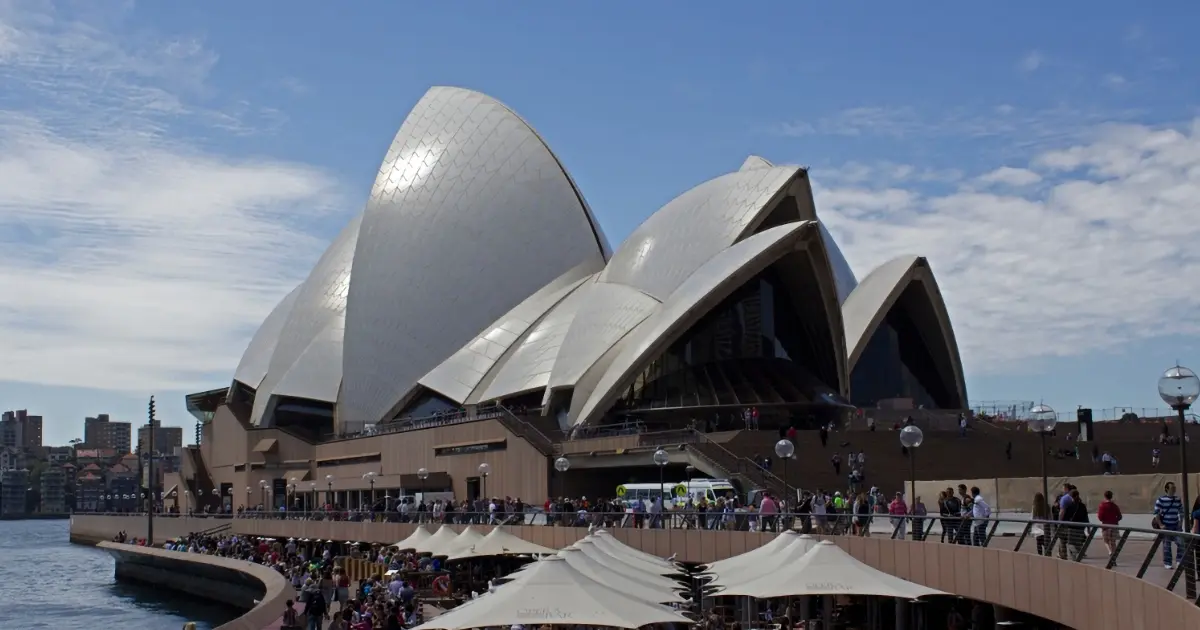
It took us about an hour and a half (including a break for lunch) to walk down to the Opera House (which is a UNESCO World Heritage Site, by the way), and here’s what we saw when we got there.
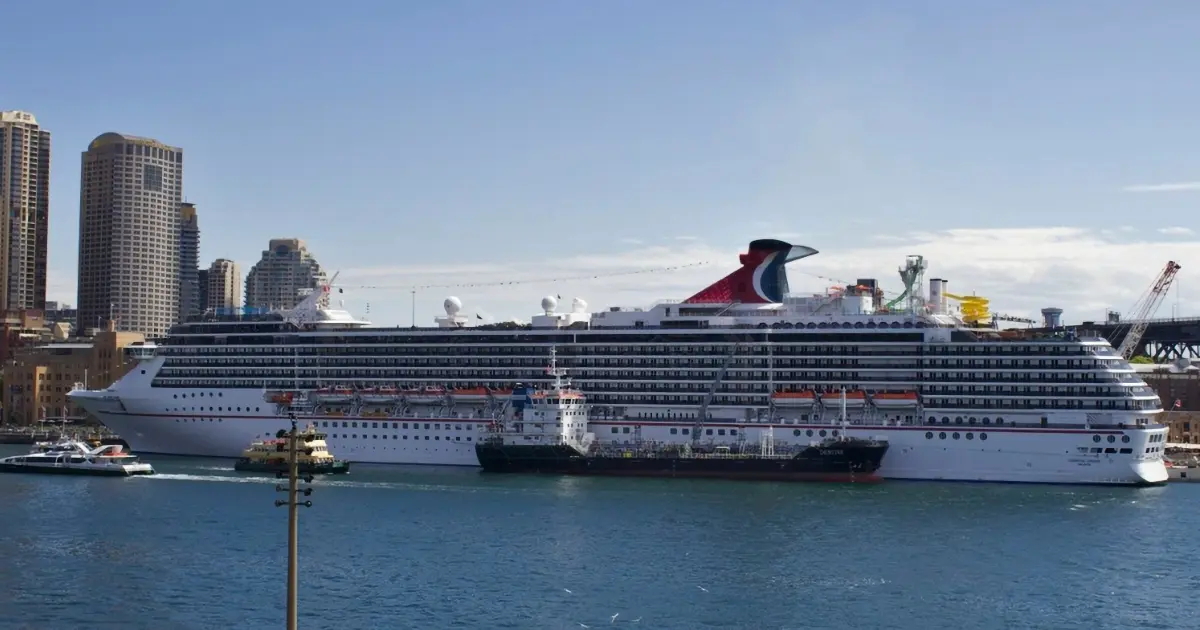
We also saw the Carnival Legend docked in the harbor. It was a massive ship. And she’s still sailing the seas around the world — she’s 24 years old (and likely nearing the end of her service).
To the Bridge! (and Pylon Lookout)
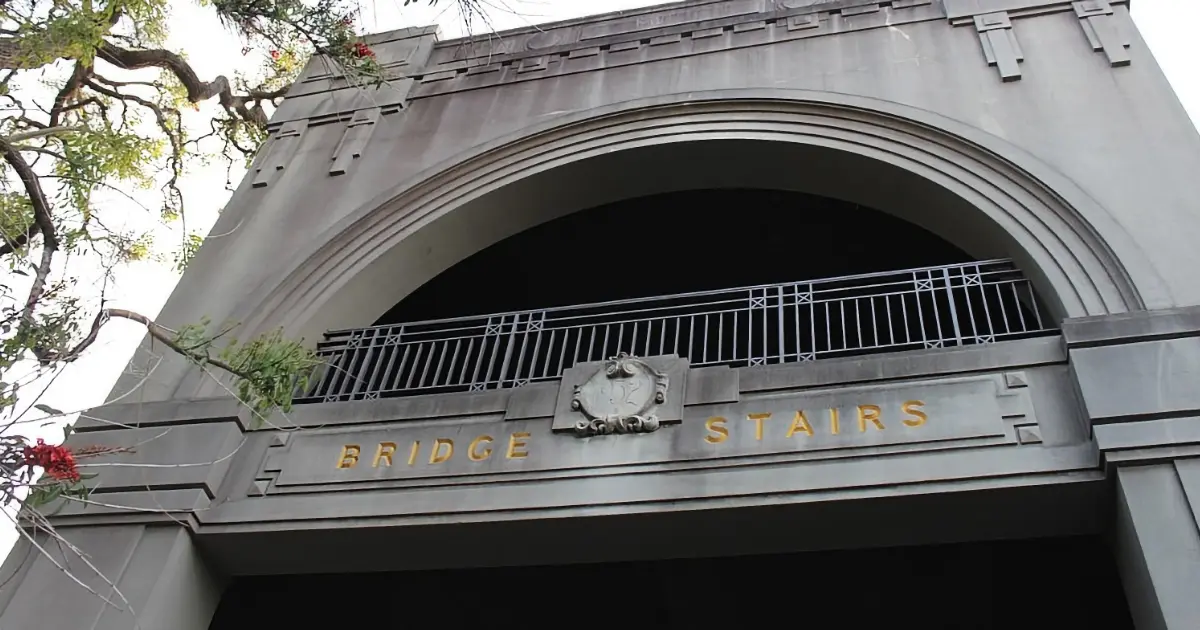
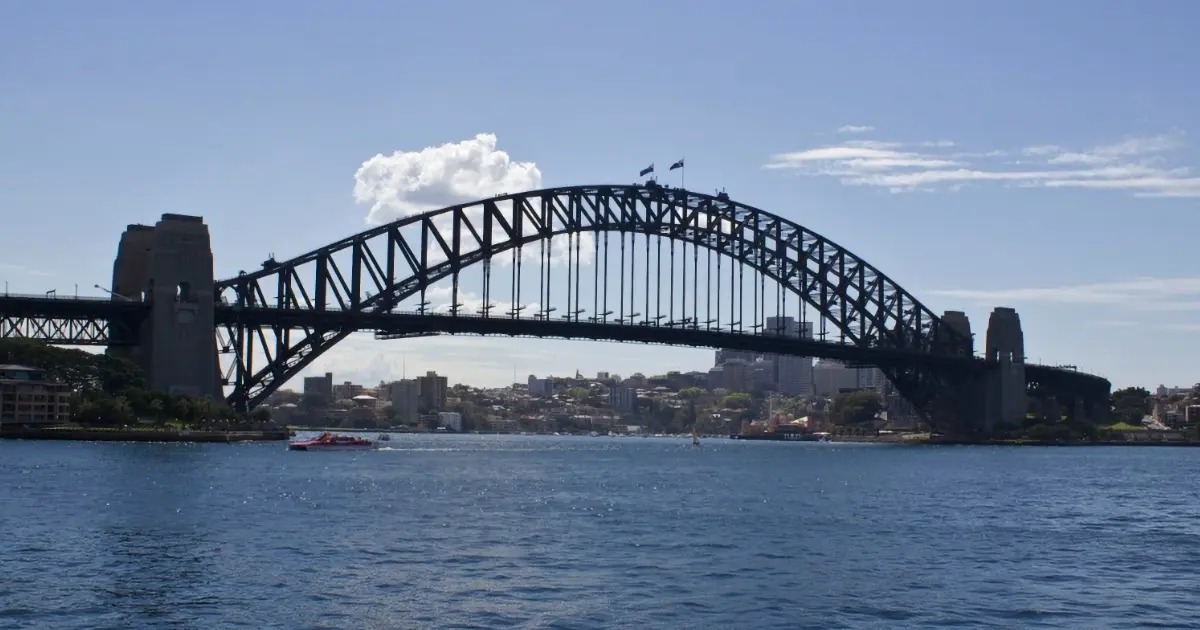
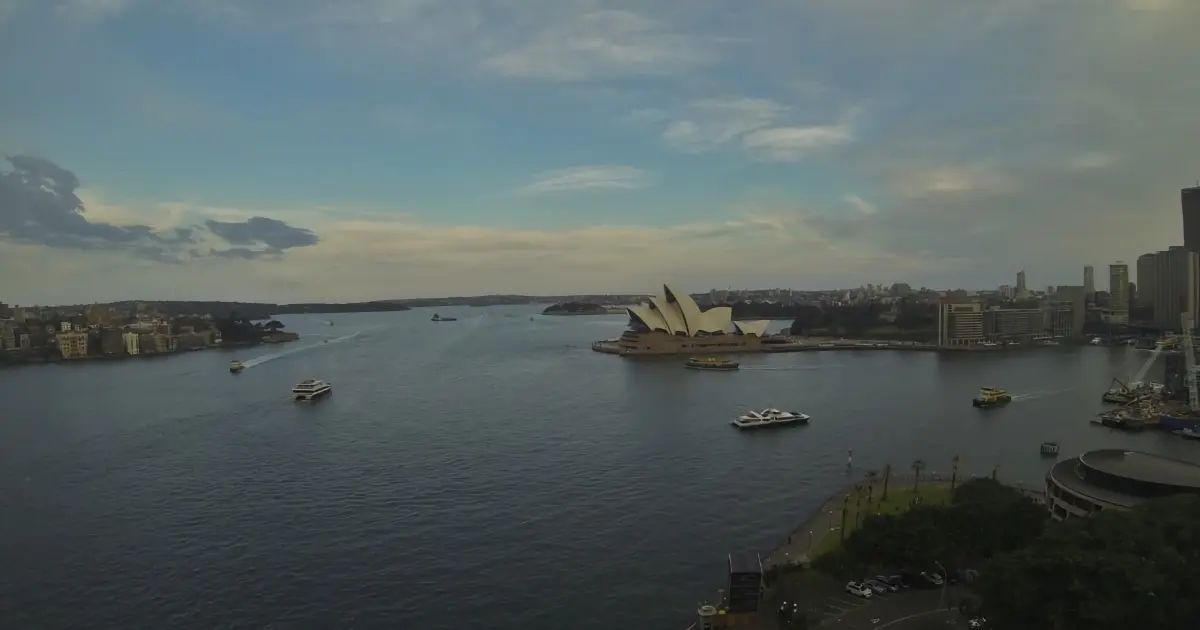
A few days later, after doing a little shopping at The Rocks, we walked up the Bridge Stairs and along the to the Pylon Lookout, which marks the halfway point along the bridge and offers some great views of the Opera House and the Sydney Harbour.
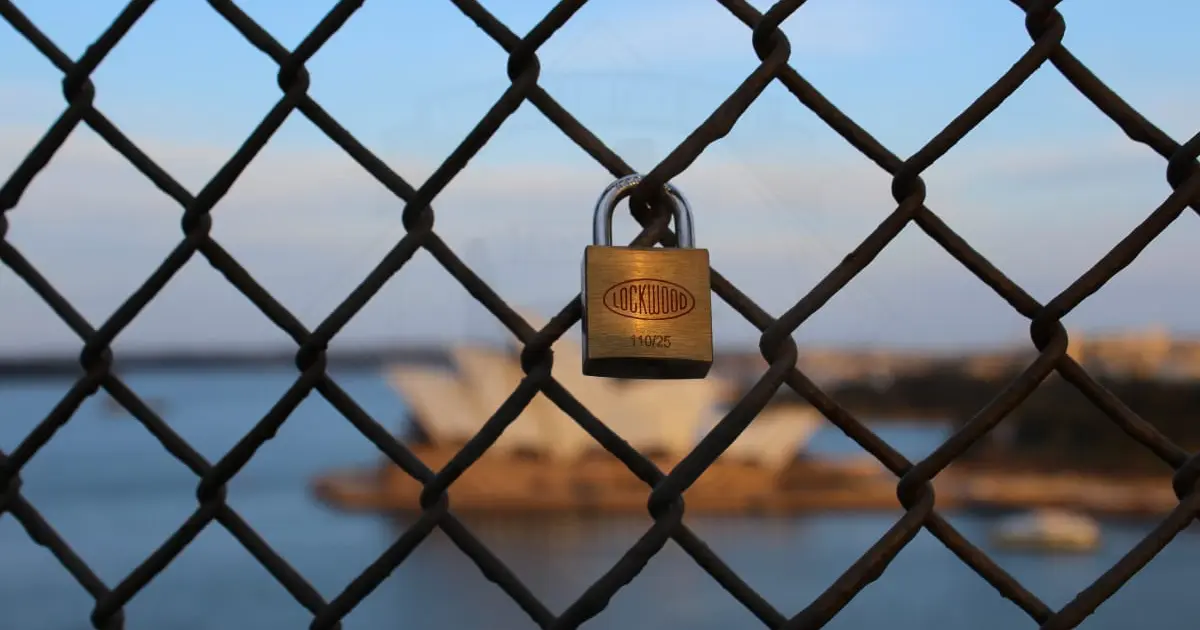
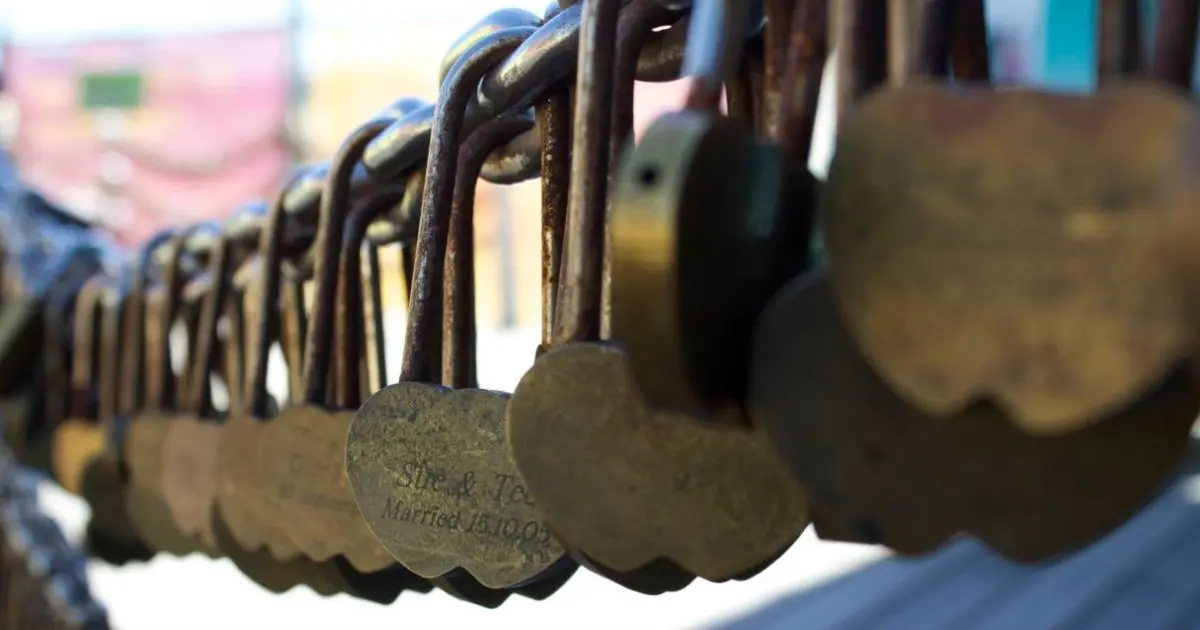
On the way back, we walked past all the padlocks attached to the chain-link fence that marked some notable, personal event, like weddings, birthdays, and honeymoons. The Love Locks phenomenon would turn out to be a major theme on this adventure.
A Day at the Beach
On Sunday in Sydney, you can buy an all-day bus pass for $2.50 a person. So we walked over to the local 7-11 and snapped up four of these, then jumped onto the bus to Bondi Beach.
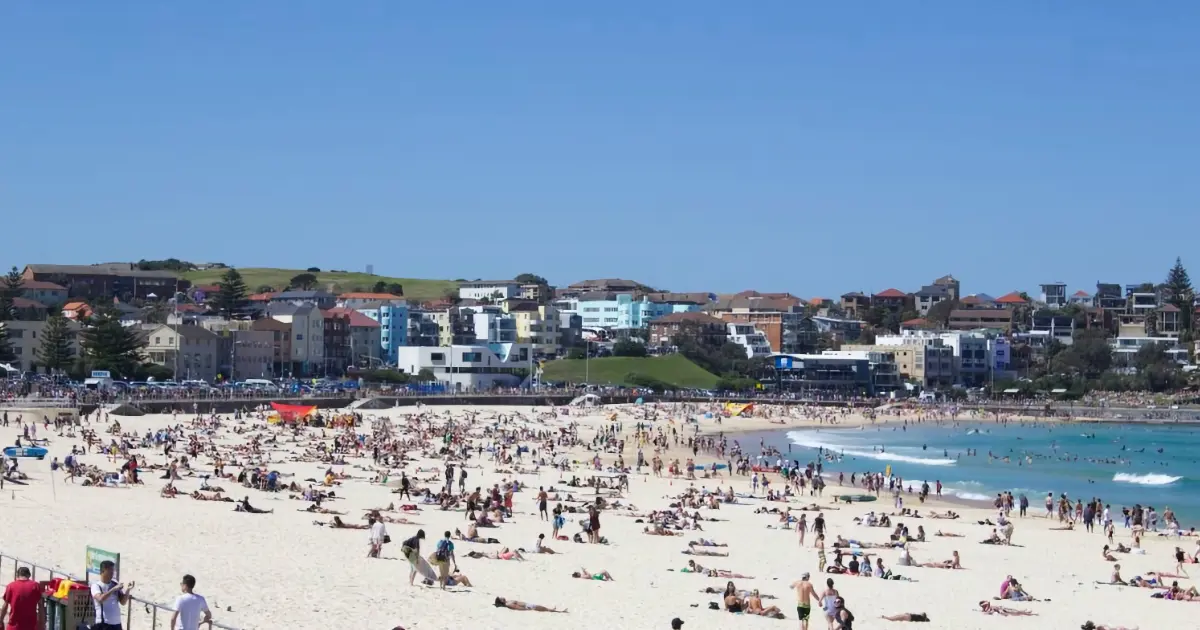
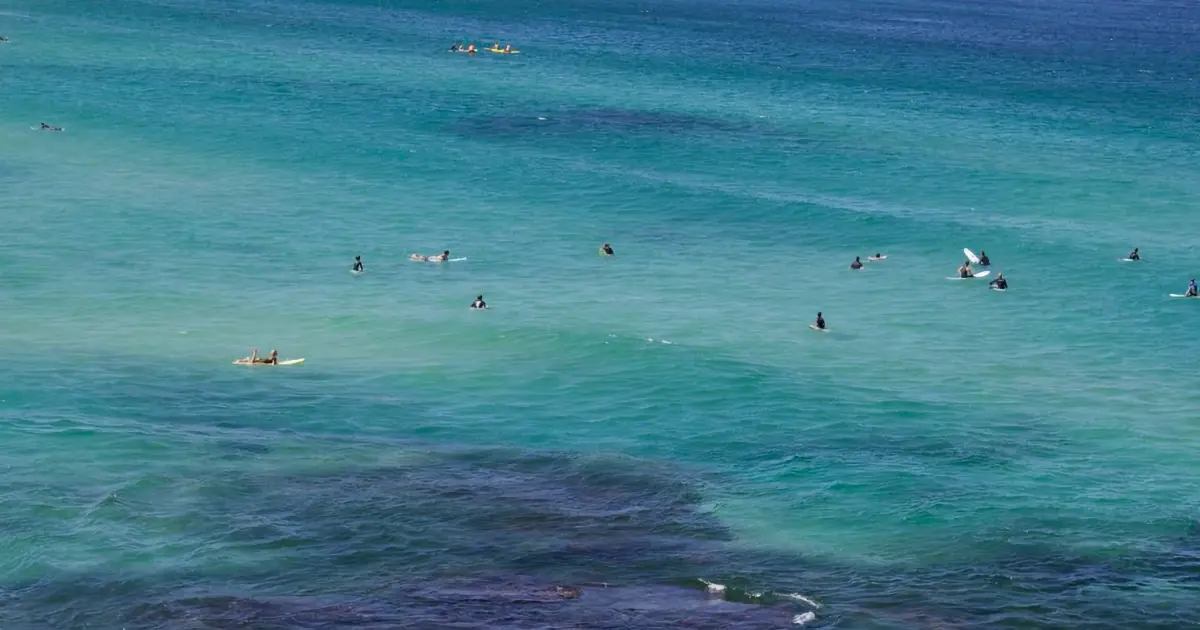
Our plan was to do the Bondi to Coogee Walk, a 6-kilometer paved path along shoreline cliffs and four or five different beaches. It was a nice day in Sydney (some said the first nice day of spring), so the beaches were all jammed with sunbathers, surfers, swimmers, and snorkelers. There were great views of the ocean throughout the whole walk.
Midnight Train to Melbourne
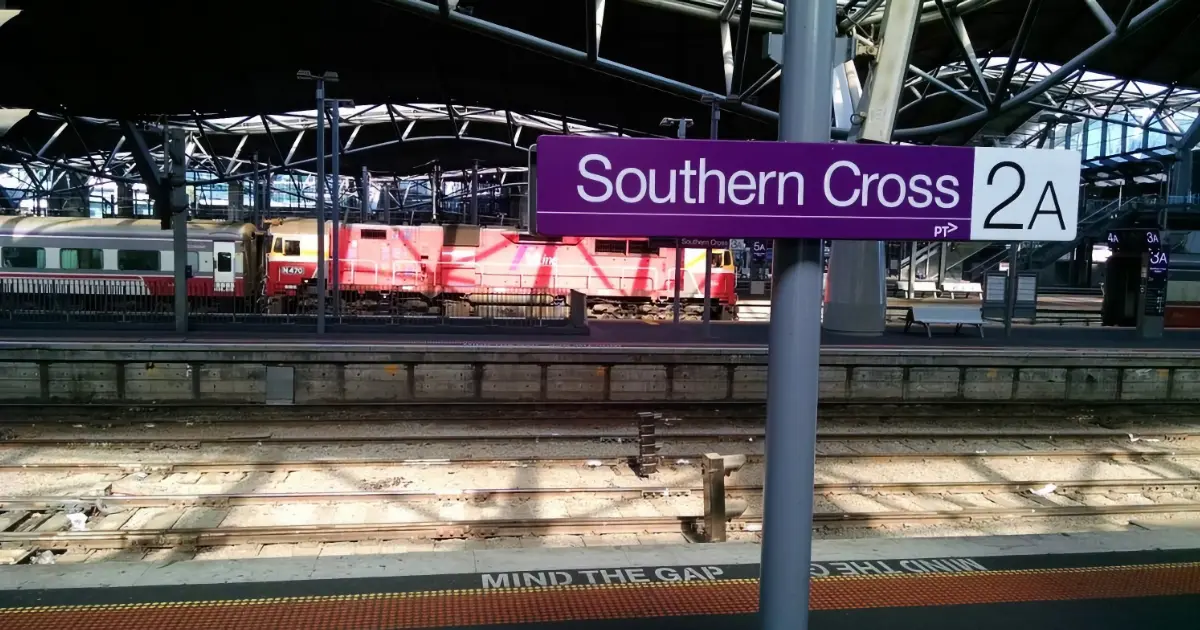
For the next stage or our trip we were taking an overnight train from Sydney Central to Melbourne’s Southern Cross Station.
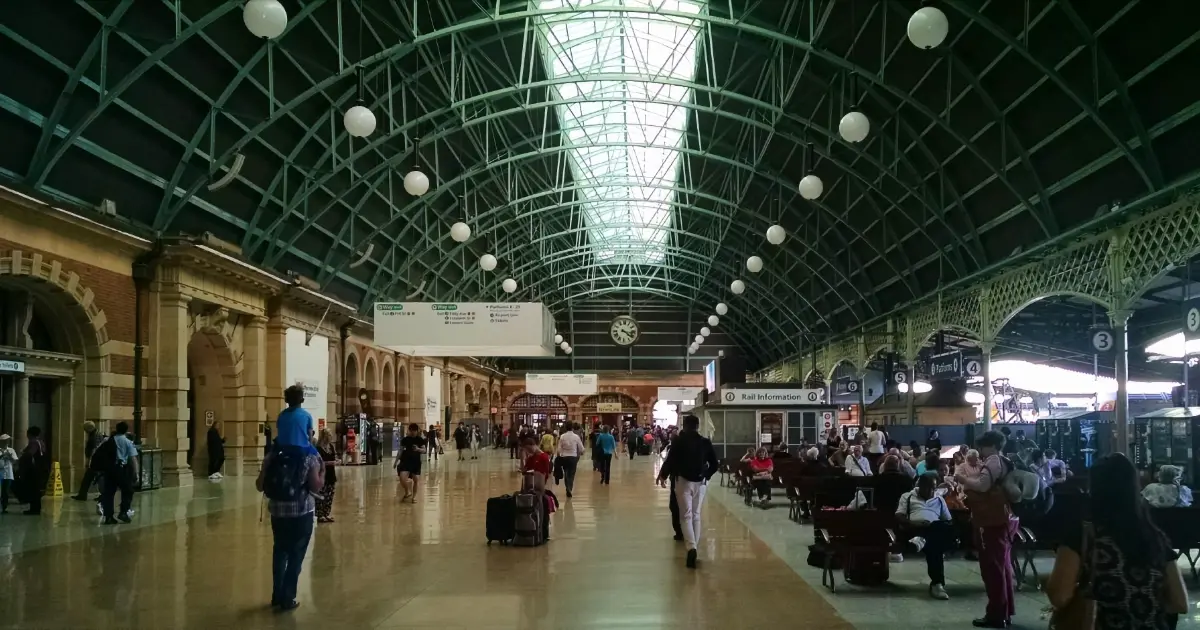
Remember that bus ride we took across Costa Rica into Panama? This was kind of like that, only slightly less miserable. But as far as means of transportation go, we had not yet traveled by train (and fare for the kids was only $1.00 each!), so we saved a few bucks by going overland via rail.
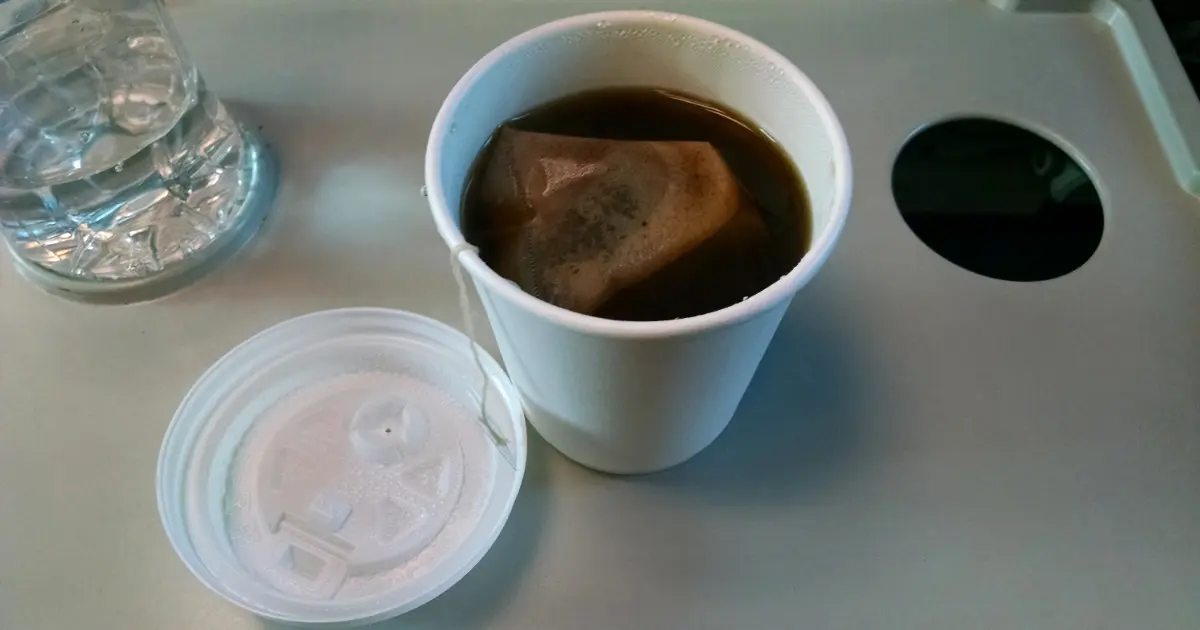
The train departed the night before at 8:30 — right on time — and clicked along through the night, stopping occasionally at stations along the way. We skipped the evening meal on the train and slept fitfully until the sun came up when we visited the cafe car for a little breakfast (yogurt) and got some coffee ... or something that sort of looked like coffee.
Melbourne
We hired a taxi to take us out of the city center to West Footscray, where we’d be spending the next five days sleeping and relaxing inside a vintage Airstream camper parked in our hosts’ backyard.
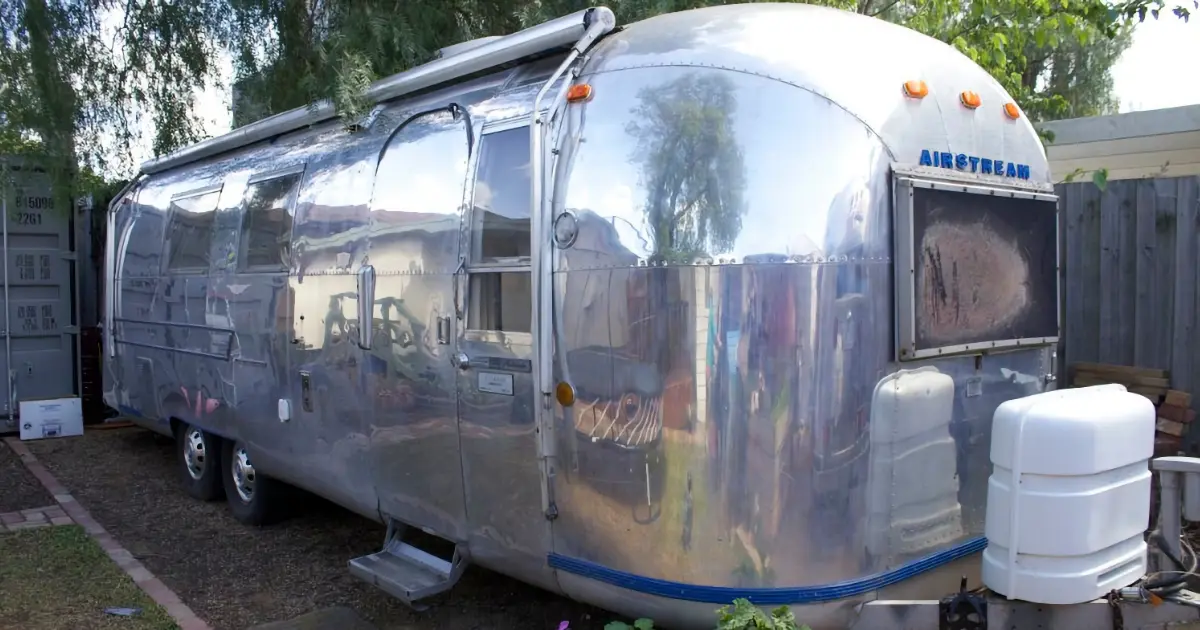
After six days in a spacious house, we had to re-learn how to maneuver around each other in a cramped space, but we got the hang of it soon enough.
In fact, it gave us flashes of déjà vu back to the days of camping in the Behemoth in New Zealand — especially as we turned the Airstream’s kitchen table into a bed (although the Airstream was a lot more user-friendly than the Behemoth).
The Royal Show
We managed to arrive in Melbourne just in time for the final day of the Melbourne Royal Show, which is a lot like a county fair in the U.S., except without all the deep-fried everything.
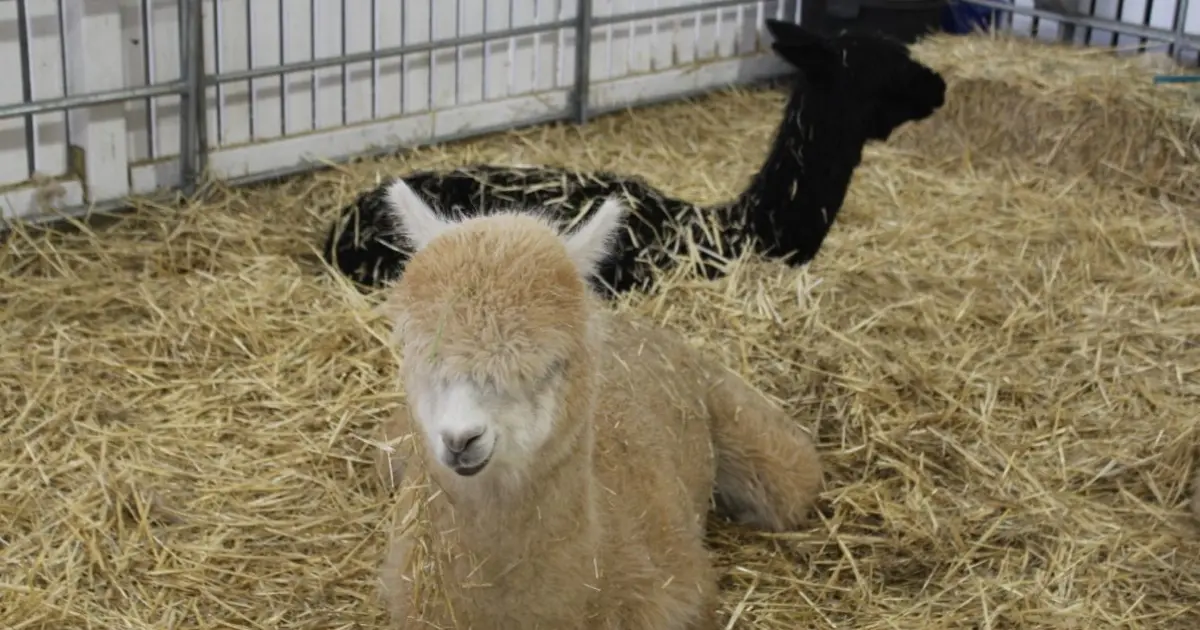
There were, like any fair, a lot of animals. We saw a wide variety of sheep, chickens, cows, a few goats, and a couple of alpacas — which right now is the kids’ favorite animal.
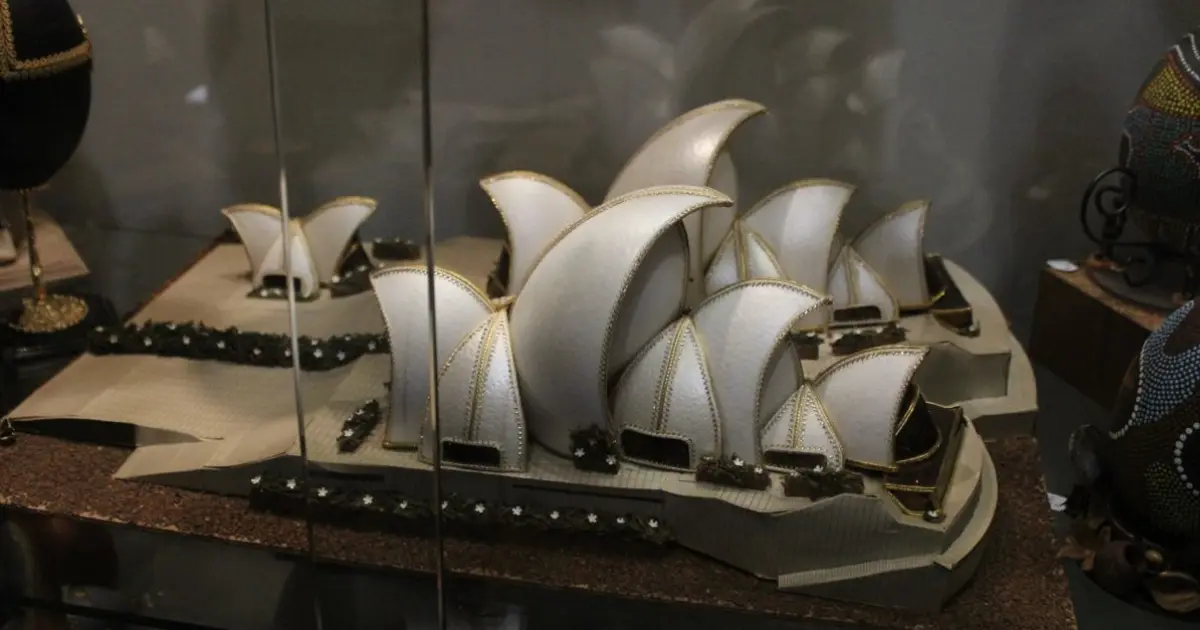
The Show (as they call it) is also heavy on the arts & crafts and cooking. There was a whole eggshell category that used just about every type of egg you could imagine (except kiwi eggs, of course) to make some really fantastic work.
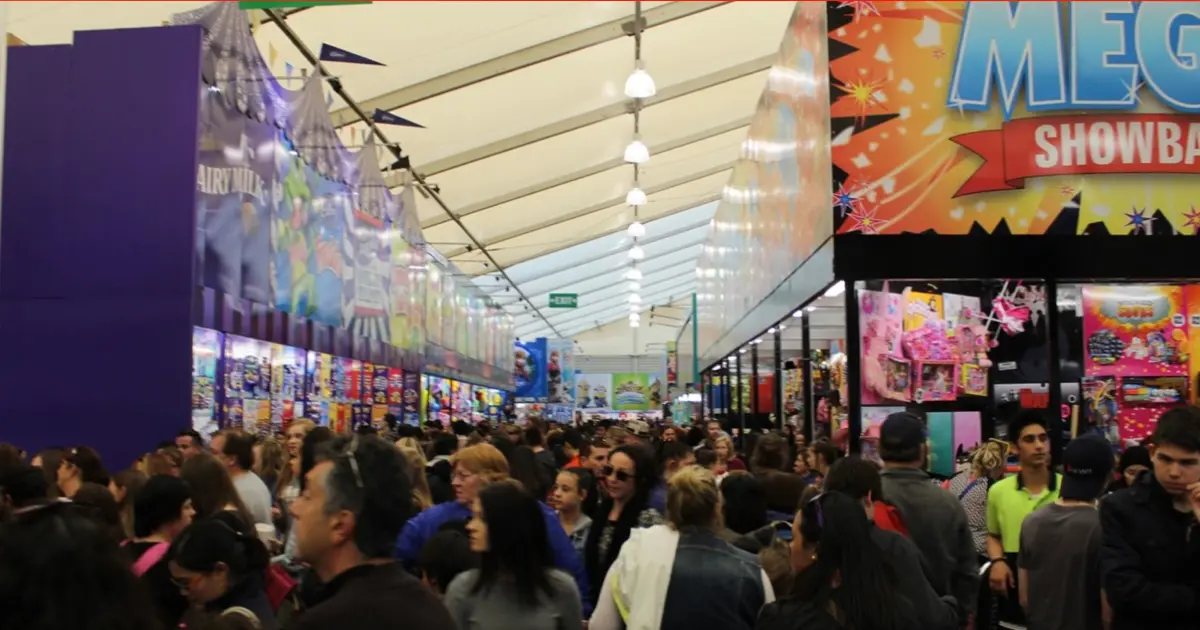
The most interesting part of the event was the show bag. Every booth sold a bag jammed with goodies, usually a collection of goods relevant to what they were showing off. Because it was the last day of the show, many of these were on sale.
Queen of the Markets
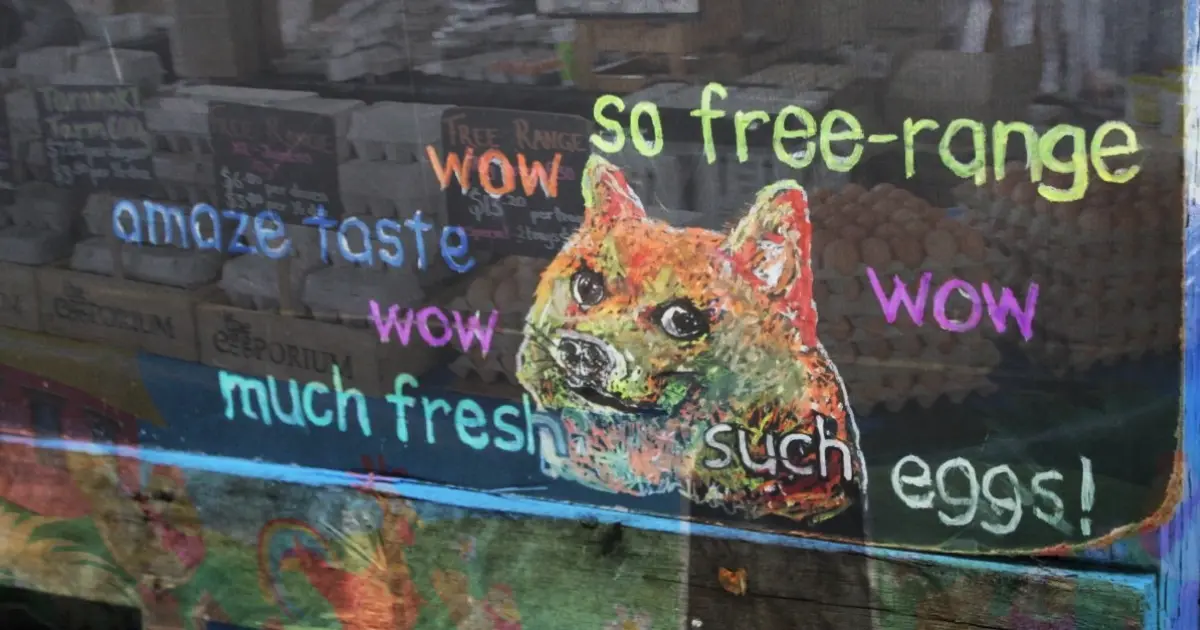
We spent one morning visiting the Queen Victoria Market, a Melbourne tradition since 1878. We took a train to the heart of Melbourne and strolled up the street to the market, which took up a couple of city blocks.
It reminded us a little of the Farmers Market at 3rd & Fairfax in Los Angeles. We enjoyed exploring the various trinket shops, but really appreciated the fresh food and produce vendors.
Melbourne Coffee Scene
We spent a little time during our time in Melbourne checking out the city’s world-famous coffee scene. Melbourne is the coffee capital of Australia (and, if you ask anyone there, the world). There are so many coffee shops, all offering different beans, one is tempted to try them all.
We ambled down an narrow alley (laneways, they call them here) to Degraves Espresso Bar, a place of some renown — as much for their coffee as for their re-purposed antique movie seats. The coffee was pretty good, too.
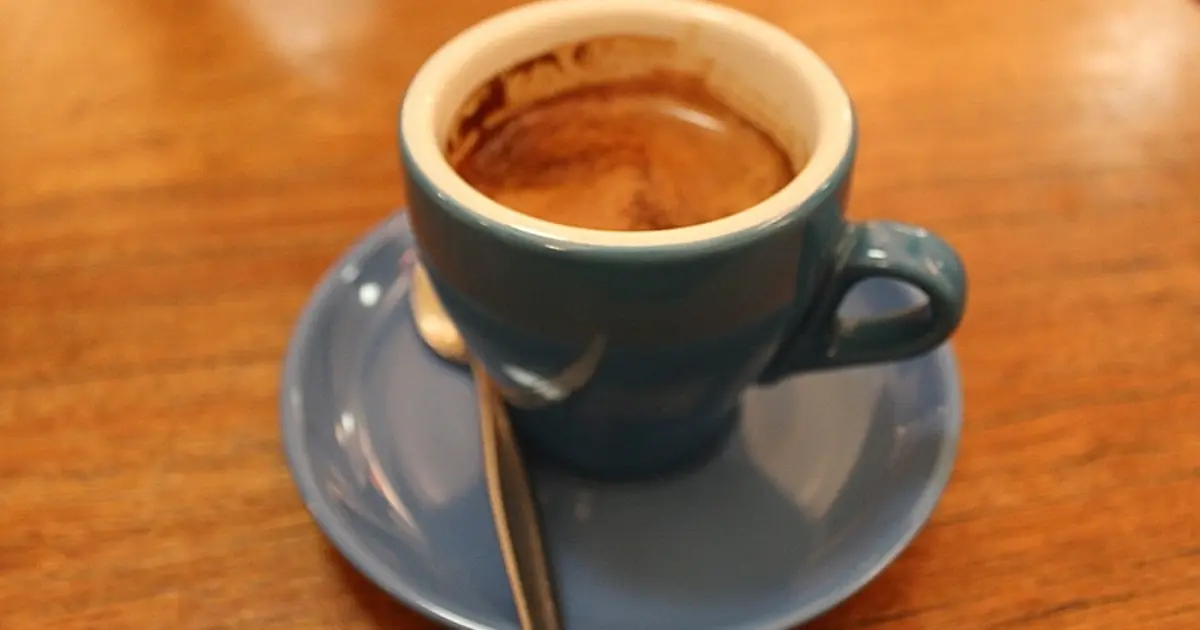
In addition to Degraves Espresso Bar, we sampled coffee from the League of Honest Coffee, Market Lane Coffee, Sensory Lab, and Dukes Coffee Roasters,
Street Art in Hosier Lane
Melbourne is a very ope to street art. Many buildings, alleys, and even railroad cars are decorated with intricate spray-painted designs. But the city makes a big distinction between street art and tagging (which is not welcomed so warmly).
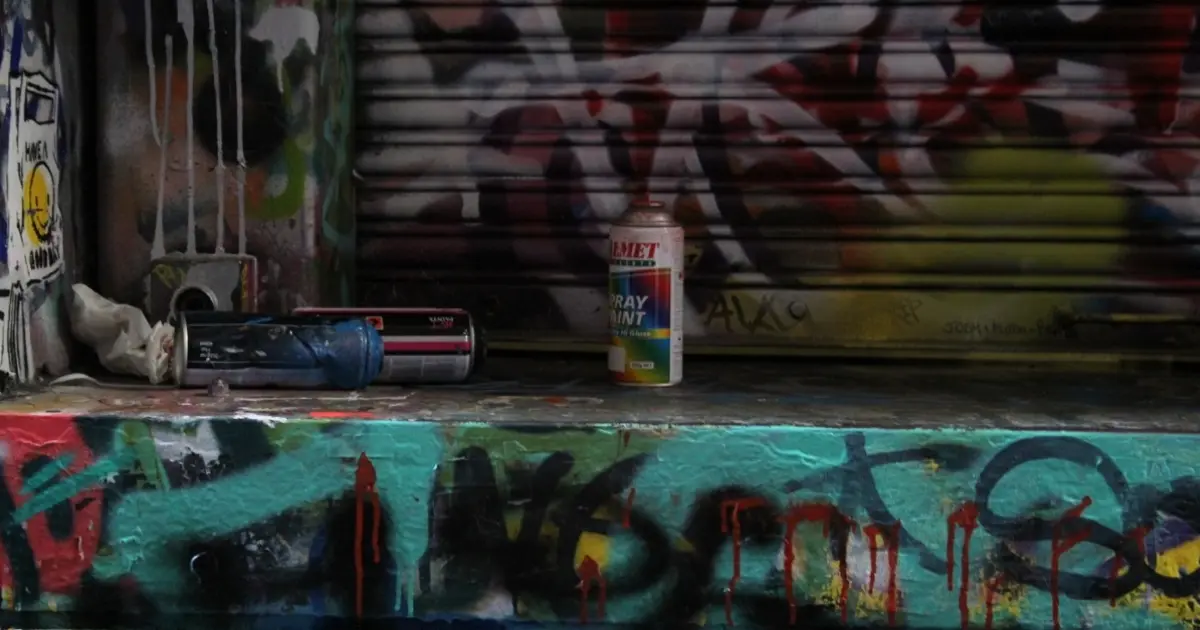
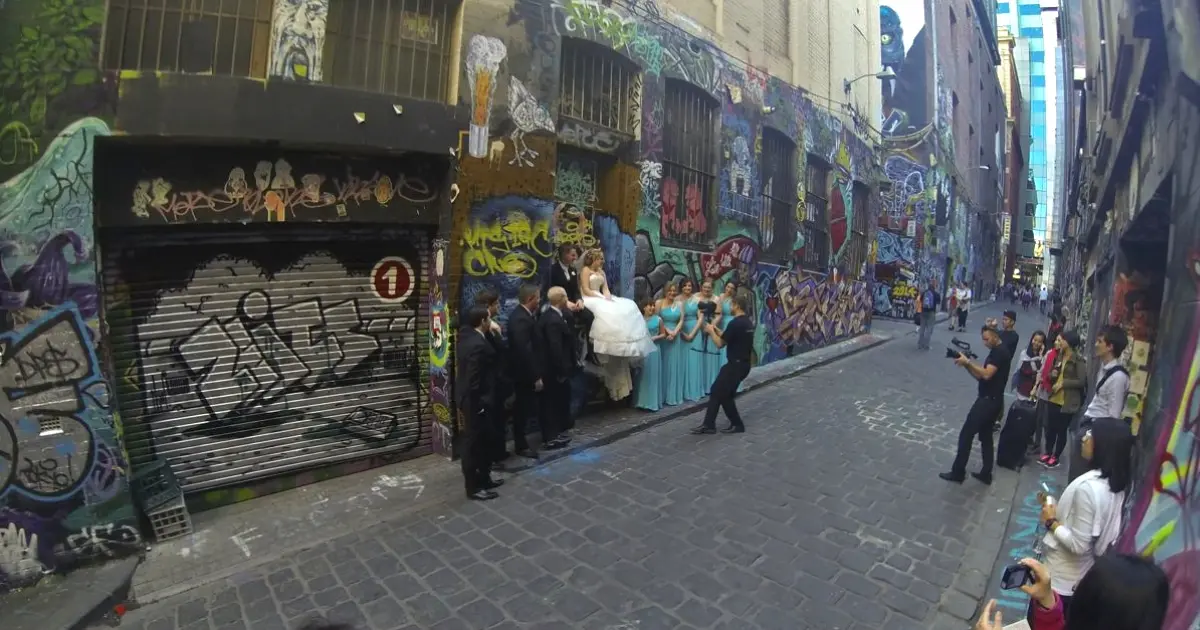
We’d heard the Melbourne street art scene was particularly notable on Hosier Lane, one of the more notorious alleys where the city of Melbourne invites street artists to come and create. There was a gent there finishing up a mural, and the whole alley smelled like paint.
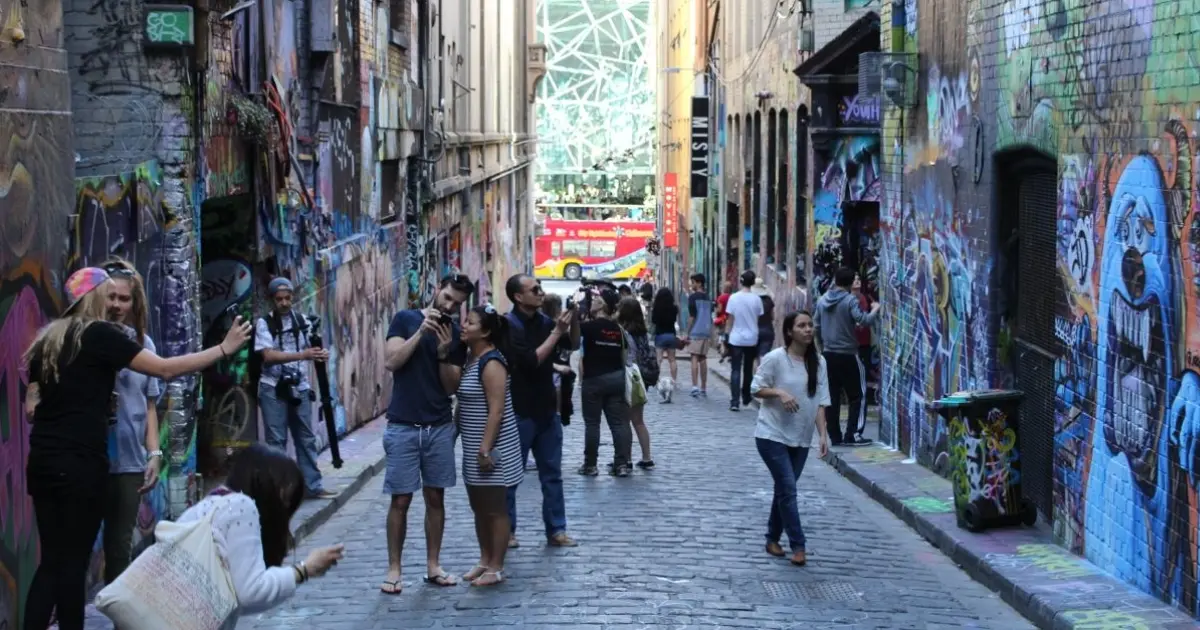
Hosier Lane was a pretty crowded place, with lots of photographers, videographers, and tourists checking the place out. It had some really great murals, too.
We even got to see a wedding party having their photos taken there. It was quite a scene.
Organ Pipes National Park
One day a friend of ours picked us up for a picnic lunch at Organ Pipes National Park, which is just a short drive from the heart of Melbourne. The central feature at the park is, as one would expect, the Organ Pipes, a formation of hexagonal, columnar basalt that resulted from a cooling lava flow millions of years ago.
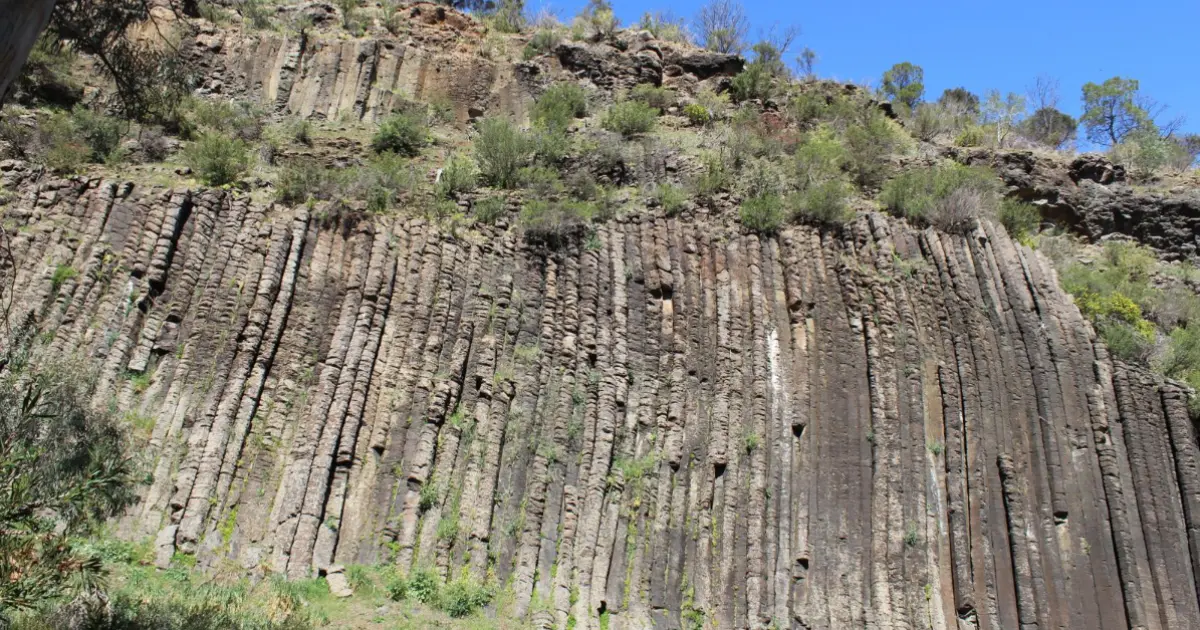
This type of formation can be found in a few places throughout the world. In California, there’s a similar formation called the Devil’s Postpile that I walked by when I hiked the John Muir Trail.
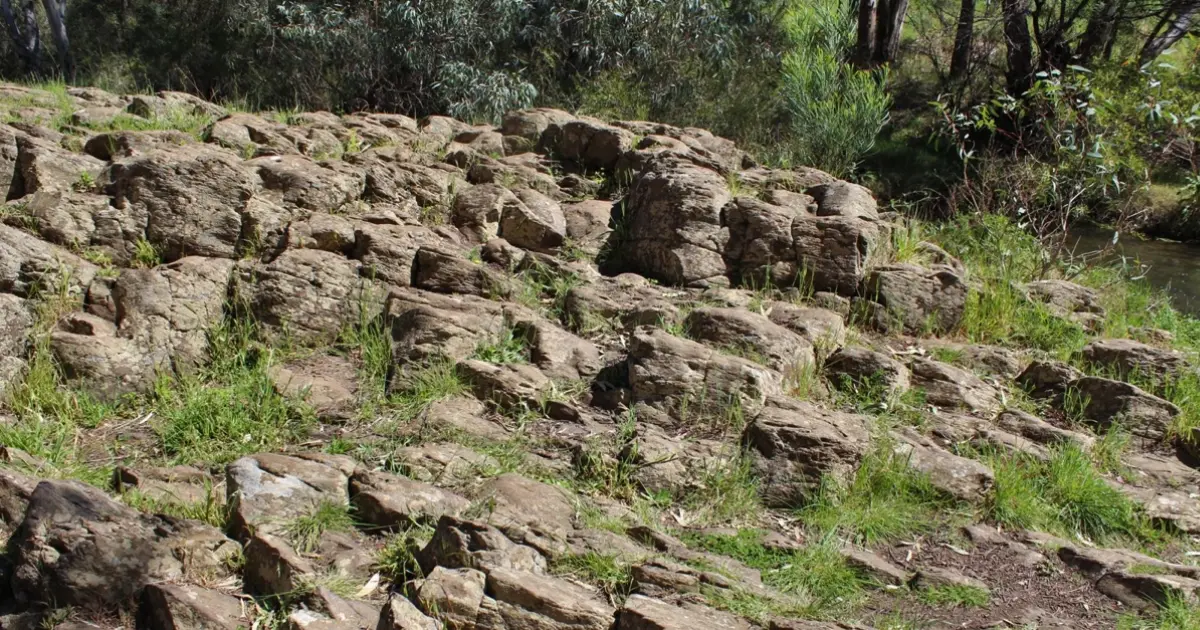
The park had some other interesting formations as well, like the tessellated pavement and the rosette rock, also formed from cooling lava flow.
Tim Tams
During lunch, we were introducted to Tim Tams. Each of these little snack cookies is made of two chocolate-covered malted biscuits with chocolate cream filling, and they are apparently the holy grail of Australian cookies.
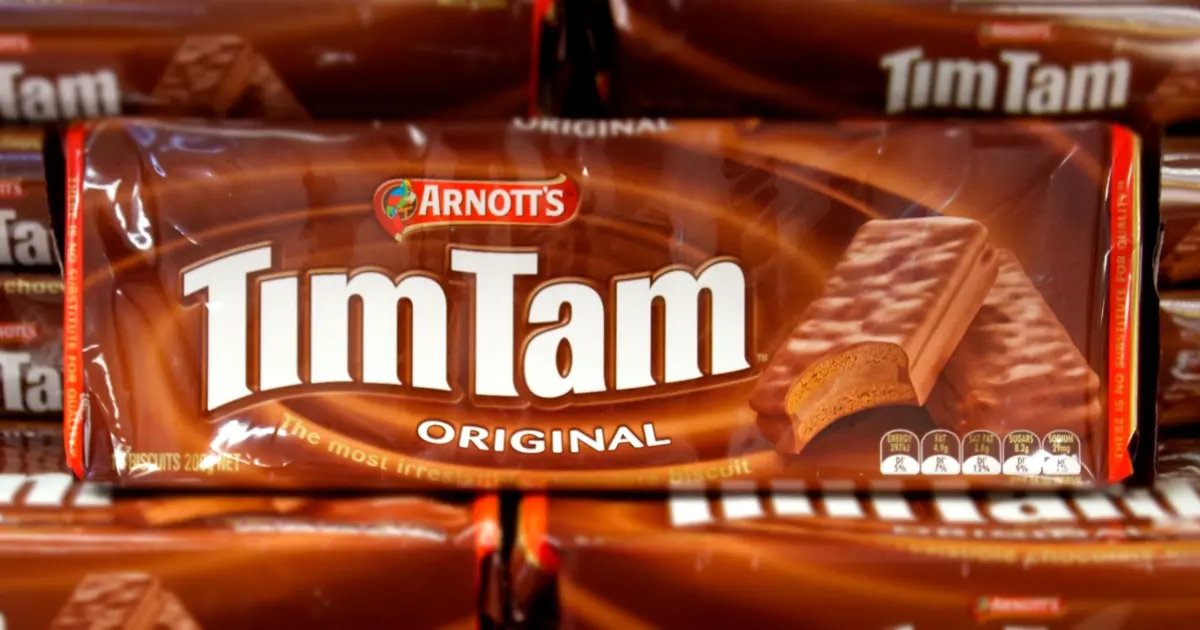
We’d seen the signs for them all over the place, but, until this moment, those signs held no meaning for us. From then on, though, any time we visited a grocery store we always stocked up on a few packs of these biscuits. But these days, you can get them in many shops across the United States.
Taking on the World is an Amazon Associate and earns from qualifying purchases.
Tasmania
Great Ocean Road
We flew out of Launceston, Tasmania and returned to Melbourne where we picked up our next rental car — a Toyota Corolla Ascent — and immediately started off on an hour-long drive to Torquay, gateway to the Great Ocean Road, which we planned to explore the next day.
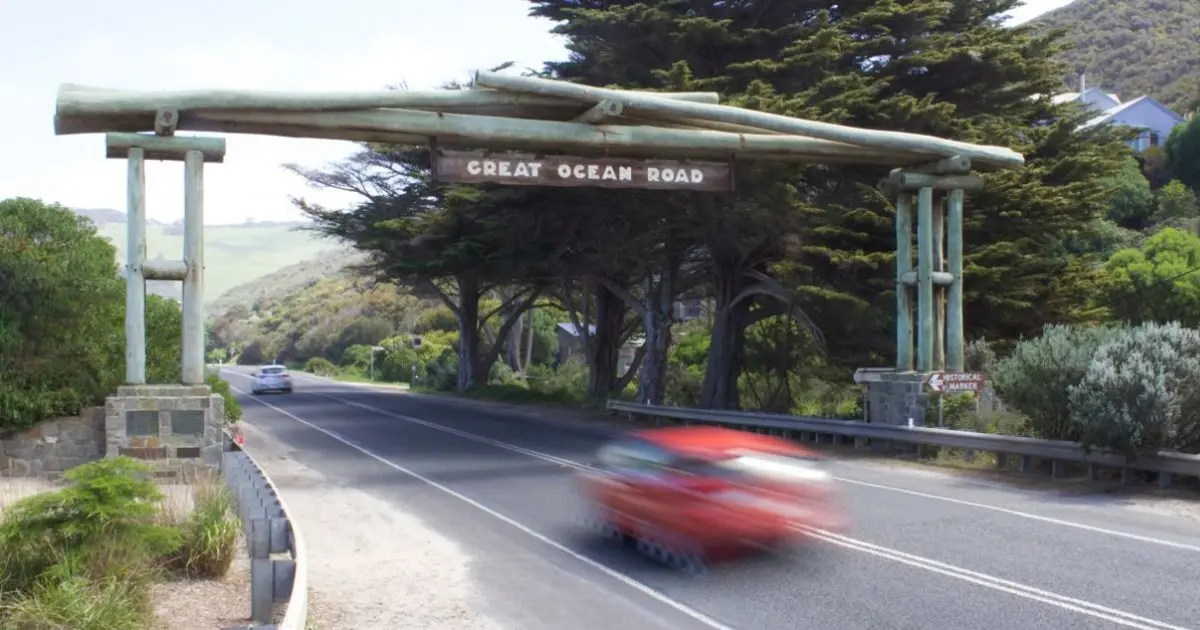
We started the day with a proper coffee at Cafe Moby (now closed) in Torquay, then headed out to explore the Great Ocean Road. Almost right away, we felt that the Great Ocean Road was just an okay road that is occasionally next to the ocean. Maybe it was the hype built up around it, but the Great Ocean Road didn’t live up to our expectations.
We stopped at Aireys Inlet and took a short walk up to the Split Point Lighthouse.
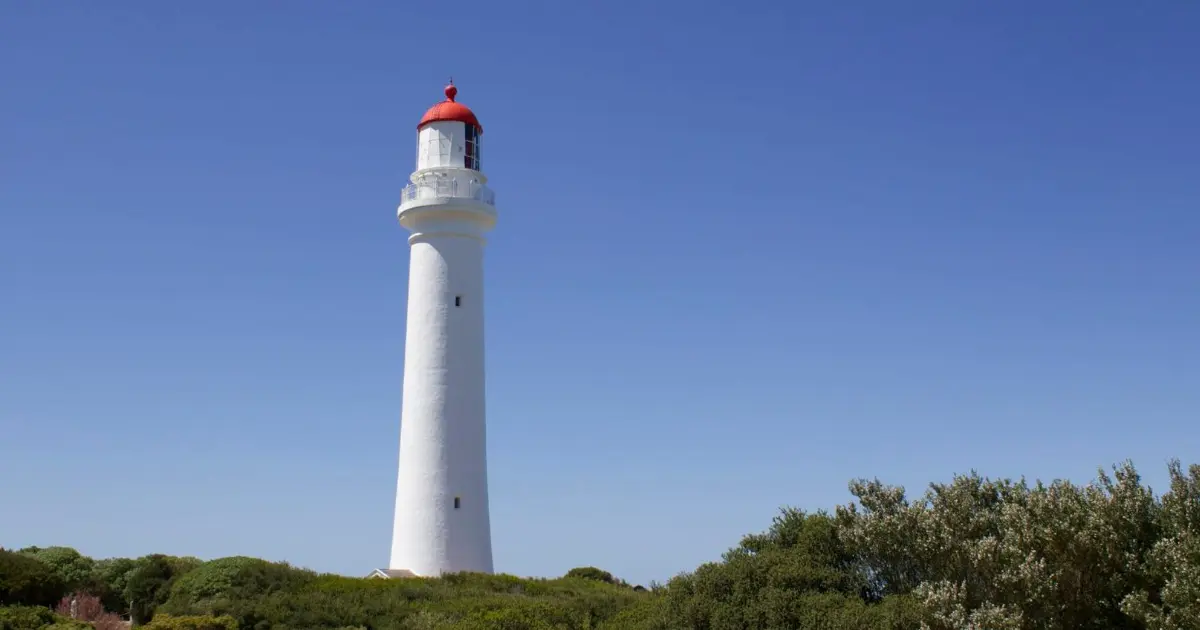
We checked out the two lookout spots here that offer great views of the Bass Strait and the small strip of land known as Eastern View along the Surf Coast between Aireys Inlet and Lorne, the next town along the road.
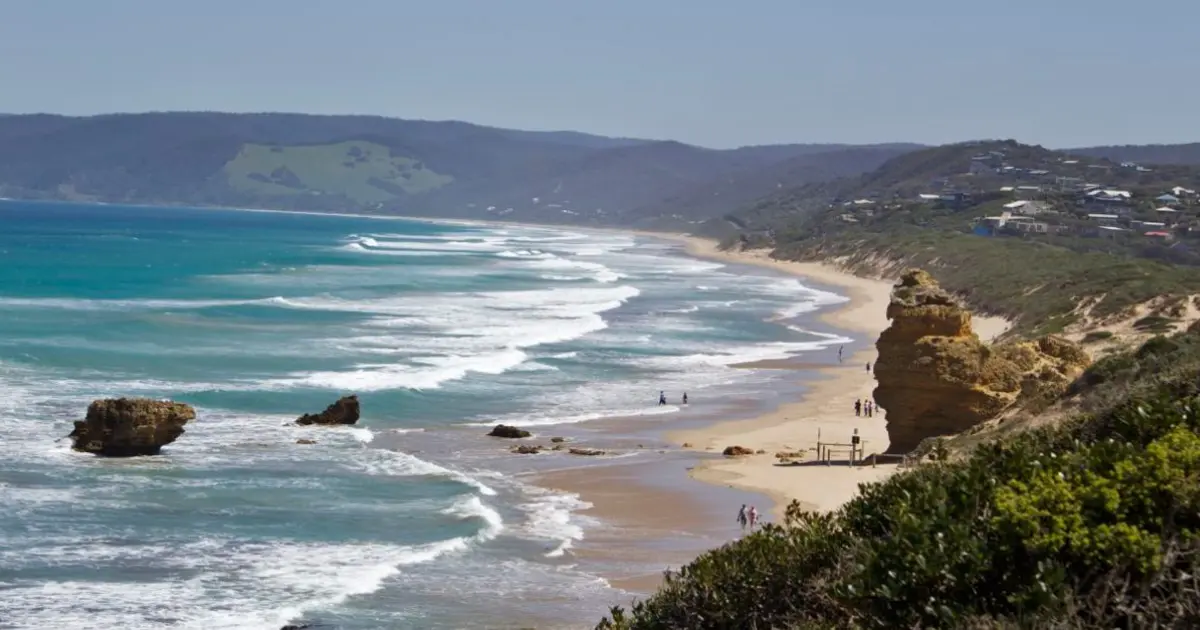
As we made our way to Lorne, the kids were getting a little nauseous from the twists and turns as the road took us through the Great Otway National Park. No one was having any fun, the road ahead looked even more curvy, and the views were just okay.
So we turned around at Lorne and headed back to Melbourne, glad we didn’t plunk down big bucks for an all-day (5:30 a.m. to 9:30 p.m.) bus tour of the entire Great Ocean Road.
We enjoyed one final night in Melbourne at an airport-adjacent hotel before we departed for Perth.
Perth
Perth doesn’t do the Daylight Savings thing. That meant that after a three-and-a-half hour flight, we landed about 10:20 Perth time, only about half an hour after we’d taken off. Time travel is great!
The weather had been fairly cold for the entire time we’d been in New Zealand and most of Australia (with a few exceptions in Sydney), but that changed when we arrived in Perth. October in Perth was hot — the temperature got up to 33°C on the day we arrived.
We caught a taxi and headed to the Murray Hotel in West Perth, our home for a few days (and one of the top five hotels we stayed in during our whole trip).
We had some time before we could check into our hotel, so we walked over to Scitech, a science-themed children’s museum (a lot like the California Science Center, where we spent a few good hours doing educational and fun science stuff.
Offical Perth Walking Tour
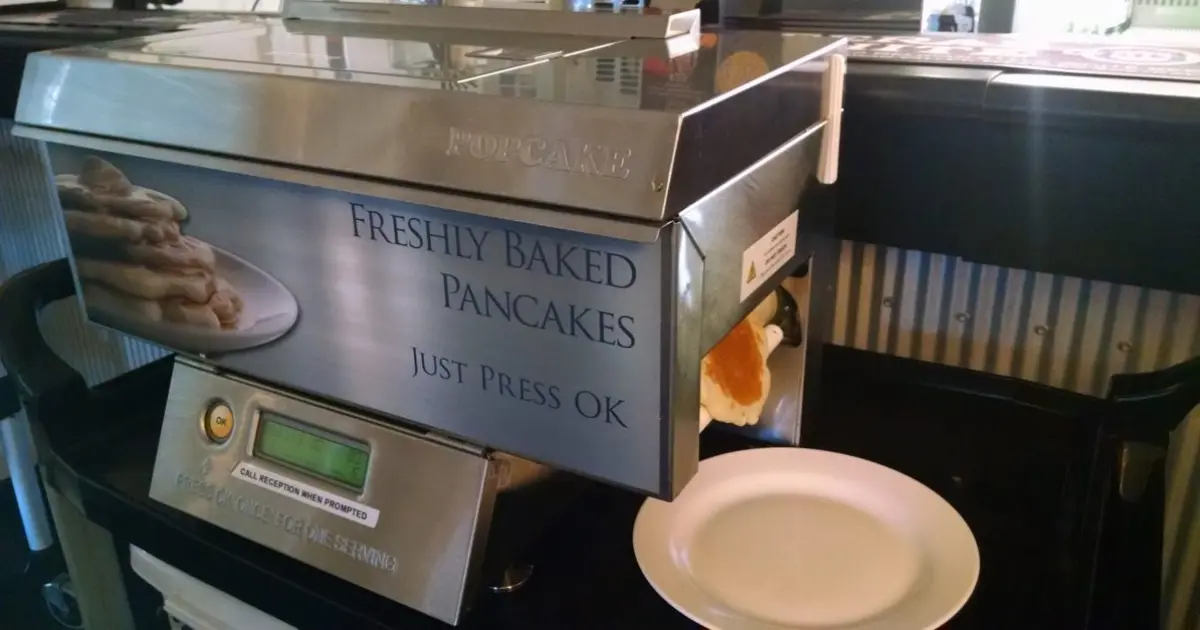
On our first morning in Perth, after breakfast at the Murray Hotel (where we ate many pancakes made by the Amazing Pancake Machine), we were keen to take in one of Perth’s Free Walking Tours.
We met our guide Michelle who took us on a reasonably comprehensive tour of the greater Perth Central Business District (CBD they call it down here). We were the only four people on the tour, so it felt pretty intimate.
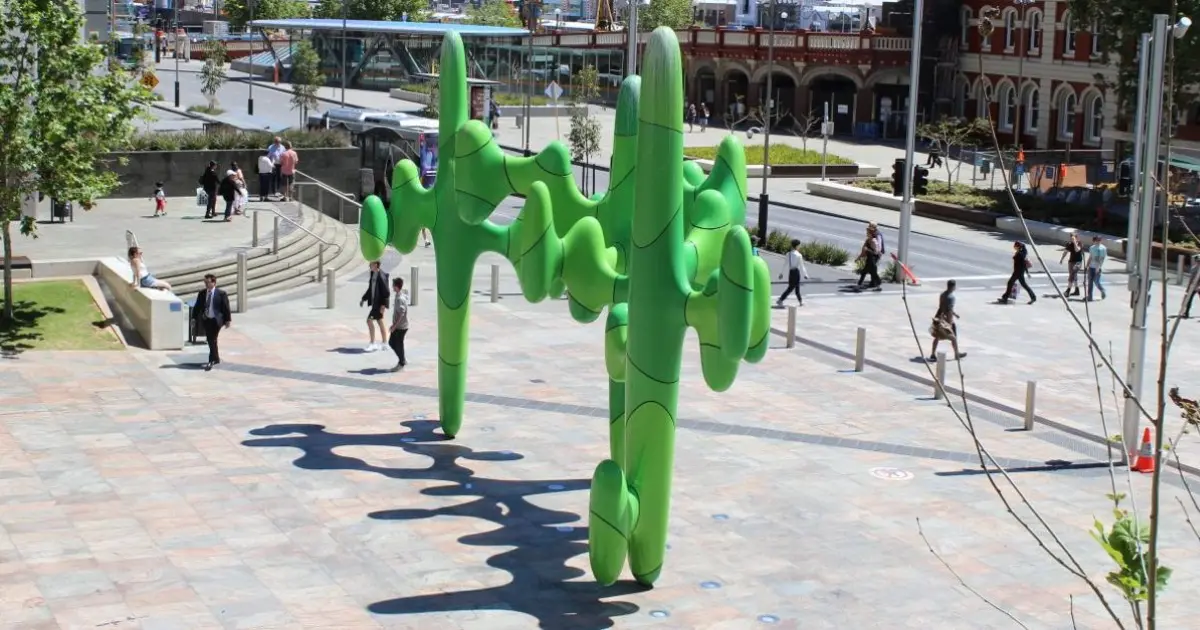
The tour started in Forrest Chase with the historic General Post Office (still in use today), and “The Cactus,” a $1 million sculpture by Perth’s own James Angus. It’s not really called The Cactus, but that’s what everyone calls it because it doesn’t yet have an official name and, well, it sort of looks like a cactus. (It seems that in the intervening years, the sculpture has been titled Grow Your Own.)
We walked by the (convict built) Perth Town Hall and St. George’s Cathedral, an old church that features a contemporary sculpture titled Ascalon in front of it, which represents St. George’s lance and his cape (Ascalon was the name of the lance St. George used to slay the dragon).
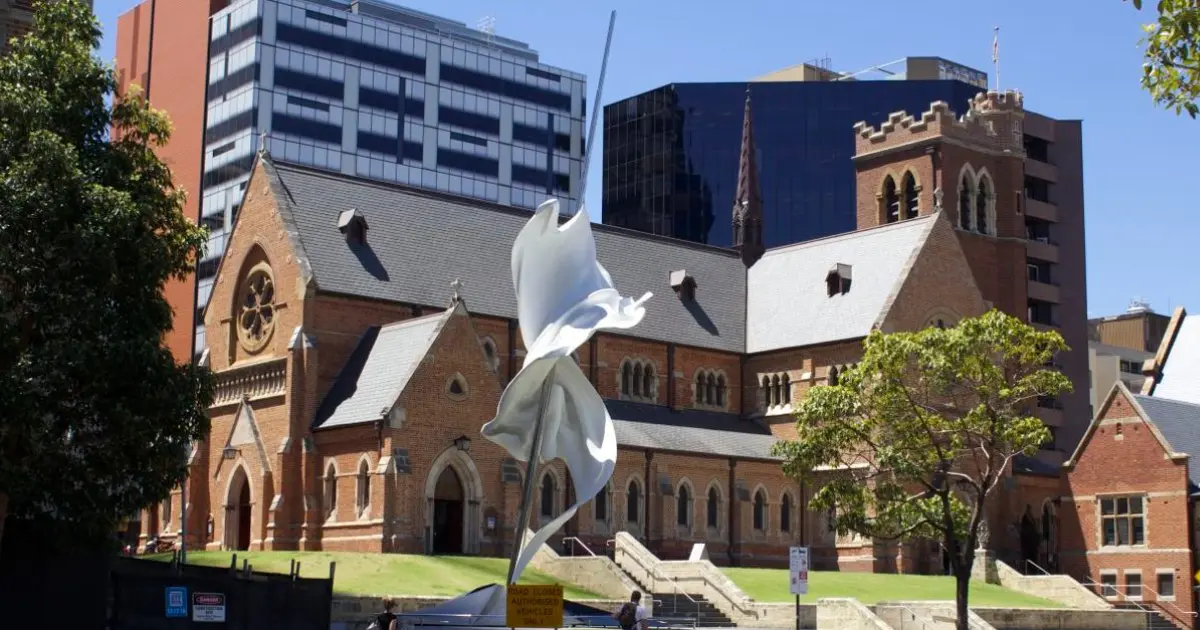
St. George — the patron saint of Perth (and many other cities) — shows up in a lot of places around the world.
We continued through Stirling Garden, which is the governmental seat of Perth and saw Council House, Government House, and Western Australia’s Supreme Court, before we went to get a glimpse of the Bell Tower.
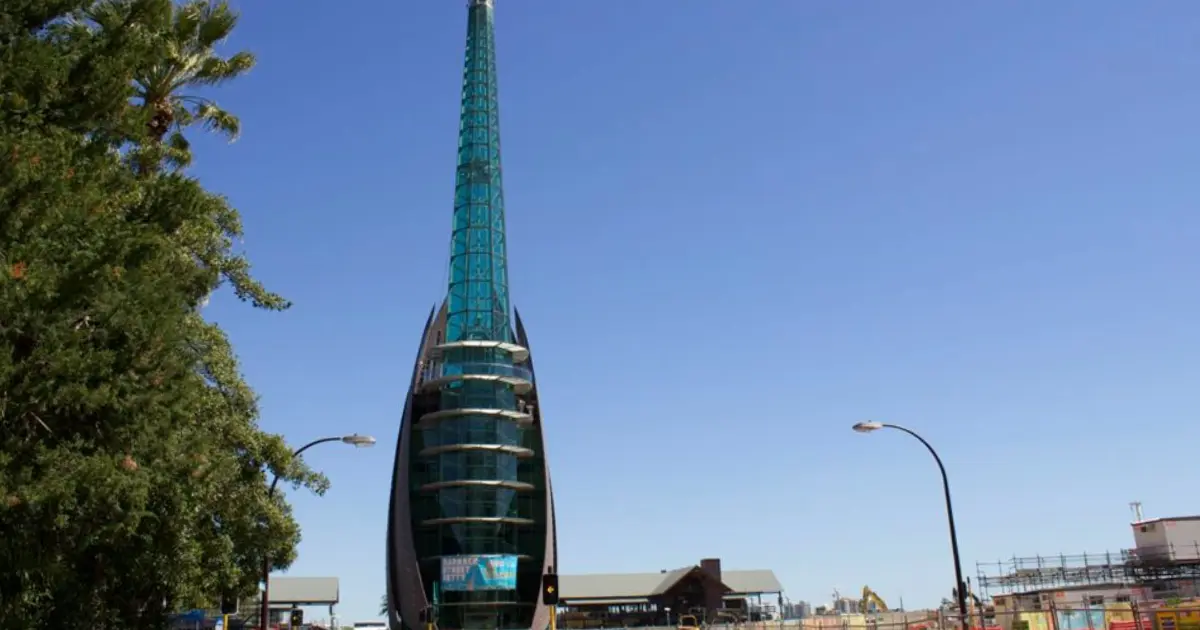
Perth Bell Tower
Perth Bell Tower is an interesting building and serves as your standard manufactured tourist attraction. It does have a little history behind it, though.
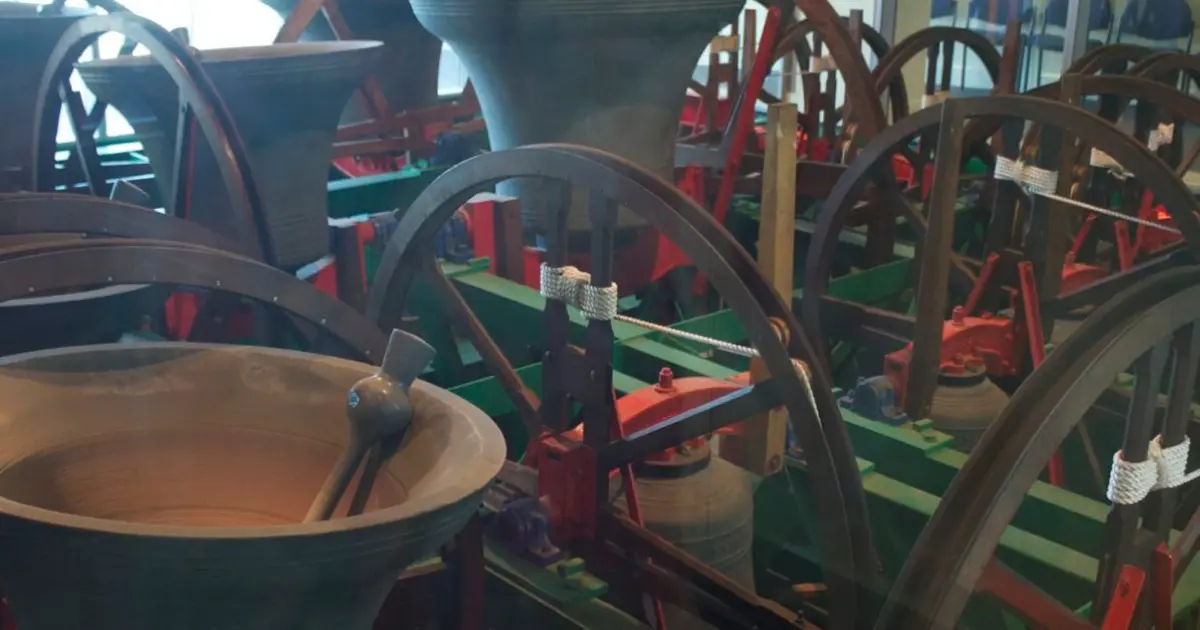
The Bell Tower houses the Swan Bells, and 12 of these 18 bells were the bells that used to hang in Trafalgar Square in London (where they were known as the St. Martin-in-the-Fields bells).
Most notably, these were rung to welcome Captain James Cook home from his first voyage around the world in 1771 (the voyage where he mapped the east coast of Australia). The bells were gifted to Western Australia by the City of London in 1988 and just sat around in a warehouse or something until the Bell Tower was built in 2000.
One of the Bell Tower’s big selling points is its collection of engraved ”Love Locks“ hanging all about the Tower entrance. For $30 you can have one of these brass heart-shaped (get it?) locks engraved with your names and date and then lock it to the chains outside the tower. Many people have done this. We did not.
A Stroll Through King’s Park
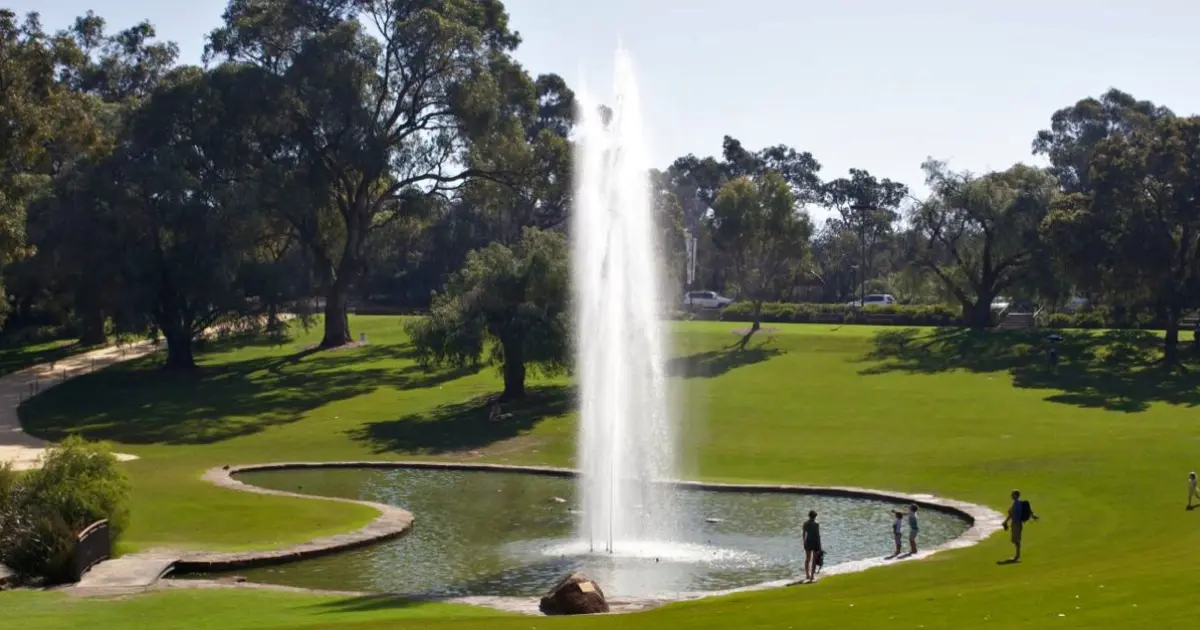
King’s Park is a large (1,003 acres) urban park that Perthians like to boast is larger than New York City’s 843-acre Central Park (but it can’t touch the 4,310 acres that make up Griffith Park in Los Angeles).
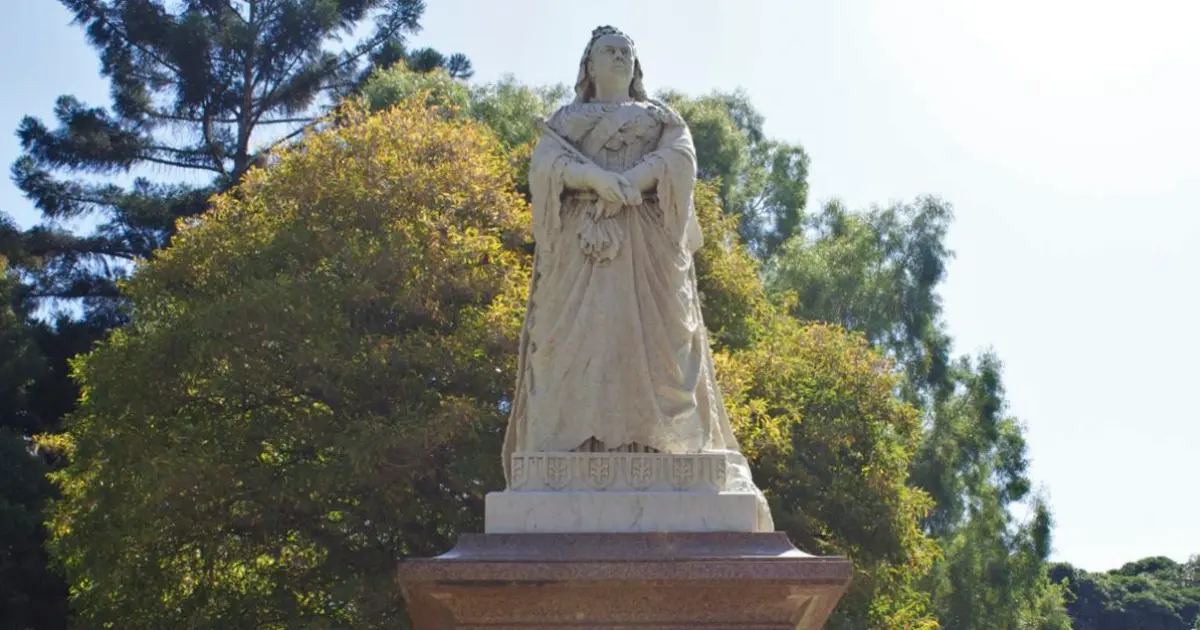
Despite the Central Park comparisons, Kings’s Park is a lot more like Griffith Park — it has swaths of usable green space for humans to frolic in, but a good portion of it is still overgrown with wild, naturally occurring plant life (what Australians call the bush).
Bali Memorial
The day we visited King’s Park was one day after the 15-year anniversary of the 2002 Bali bombings that killed many people, 88 of whom were Australians, and wounded numerous others.
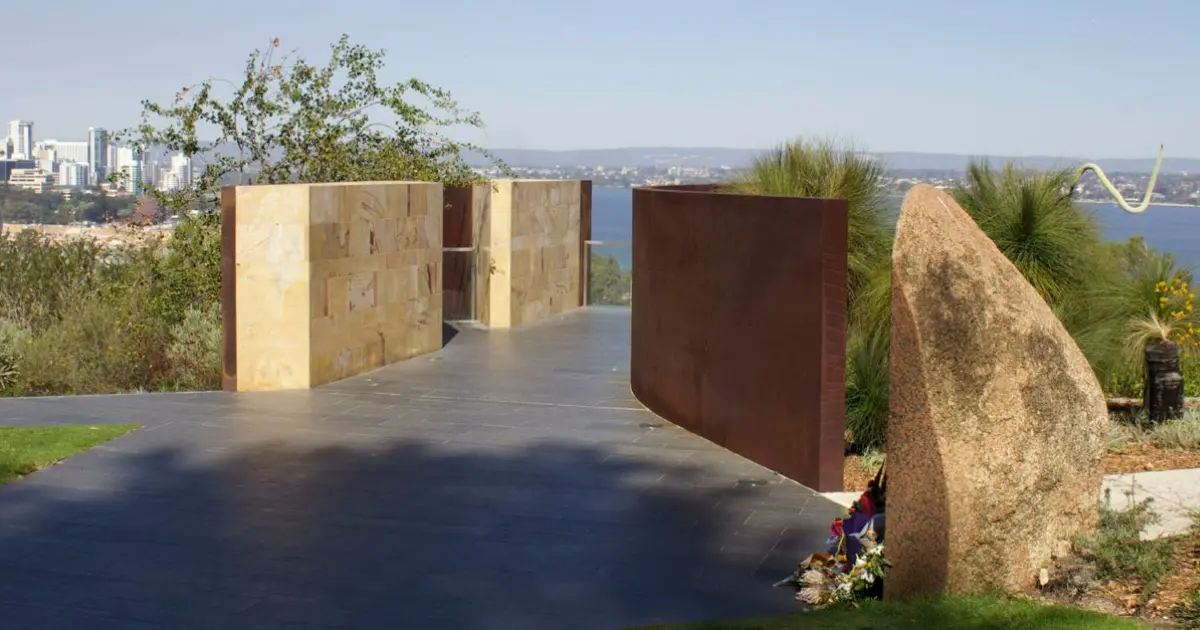
We stumbled across the Bali Memorial to those victims in King’s Park purely by chance. The memorial is designed and constructed in such a way that takes advantage of the rising sun each morning (although we didn’t see this ourselves). The glass fronting the river is etched with the words:
“Let the River Carry Your Sorrow Away”
Tree Top Walkway
One of the big draws in King’s Park is called the Tree Top Walkway, and a few people told us we had to see it. We stopped in at the visitors center to get to the bottom of this Tree Top Walkway business, and one of the docents there got us oriented and on or way.
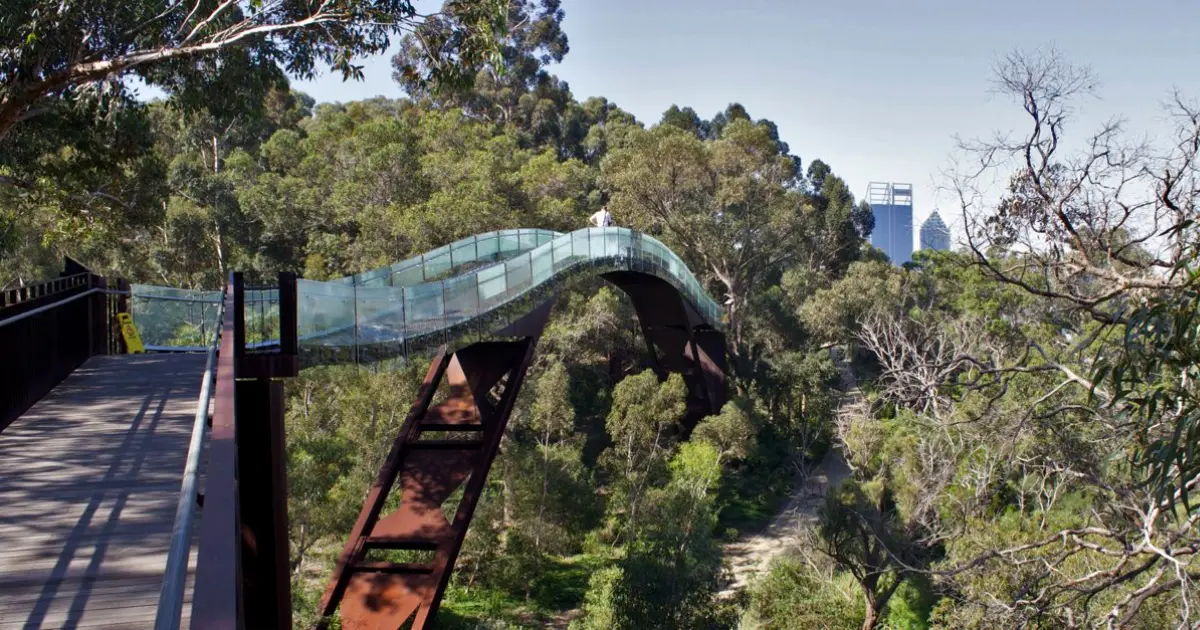
The Tree Top Walkway (also known by its corporate-sponsored name of the Lotterywest Federated Walkway) is in the middle of the Western Australian Botanic Garden, a section of King’s Park that contains more than 2,000 species of Australian plants.
The walkway offers great views of the Perth skyline and the Swan River and up-close views of a good number of the plants native to the region.
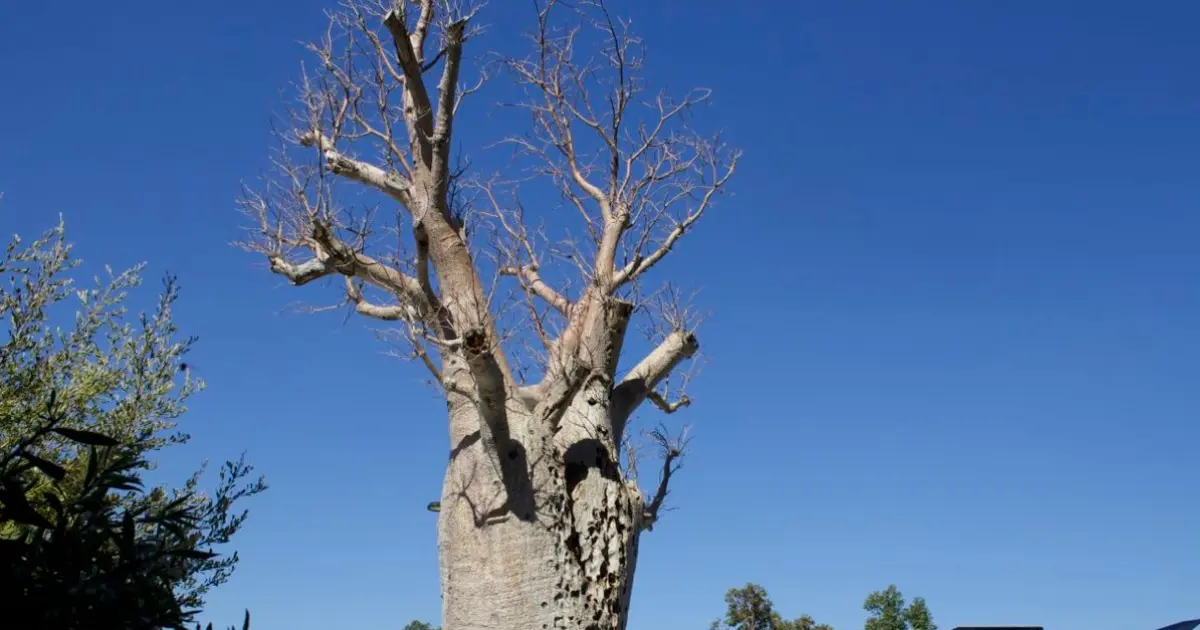
In addition to the Tree Top Walkway itself, one of the signature attractions of the Botanic Gardens is the Gija Jumulu, a large, 750-year-old Boab tree that was transported more than 3,000 kilometers from the northern part of Western Australia to King’s Park (it was removed and relocated to make way for road construction).
Off to Work on a Farm
We took a short break from Perth to head out to rural Western Australia for a week. From East Perth station, we took the Transwa road coach (bus) to Goomalling (pronounced ga-MELL-ing). Just two-and-a-half hours later, we arrived at the station in small town of Goomalling.
The Western Australia countryside was flat, dry, hot, and full of flies. As soon as we stepped off the bus, we were assaulted by marauding waves of buzzing insects. They quickly found their way into our ears, eyes, nose, hair, and even mouths.
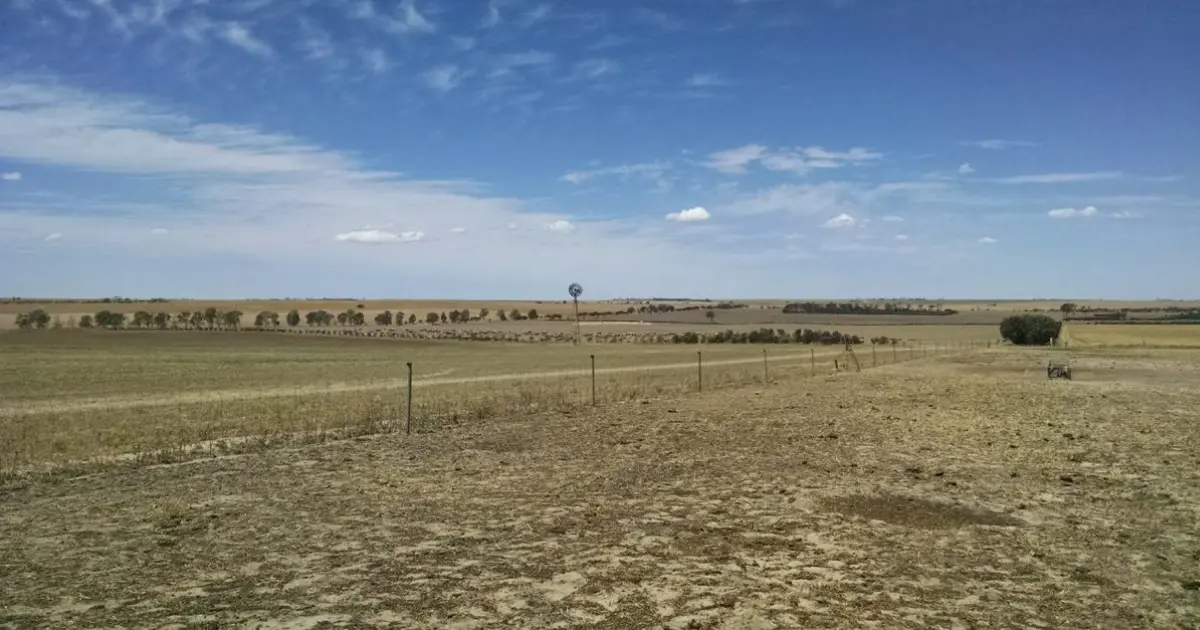
Our host was waiting for us at the station, and we quickly loaded our luggage into his car and sped off down a very straight, very flat road to his 1800-acre wheat and sheep farm, a short drive down the road, about midway between Goomalling and Dowerin.
We got settled into a small room off the side of the house. We were pretty cramped in there, what with all our luggage, but after two weeks in a camper van in New Zealand, our idea of personal space had been somewhat altered. So we made do.
WWOOFing in Western Australia
Read all about our adventures working on an organic farm in Western Australia’s wheat belt.
Read MoreReturn to Perth
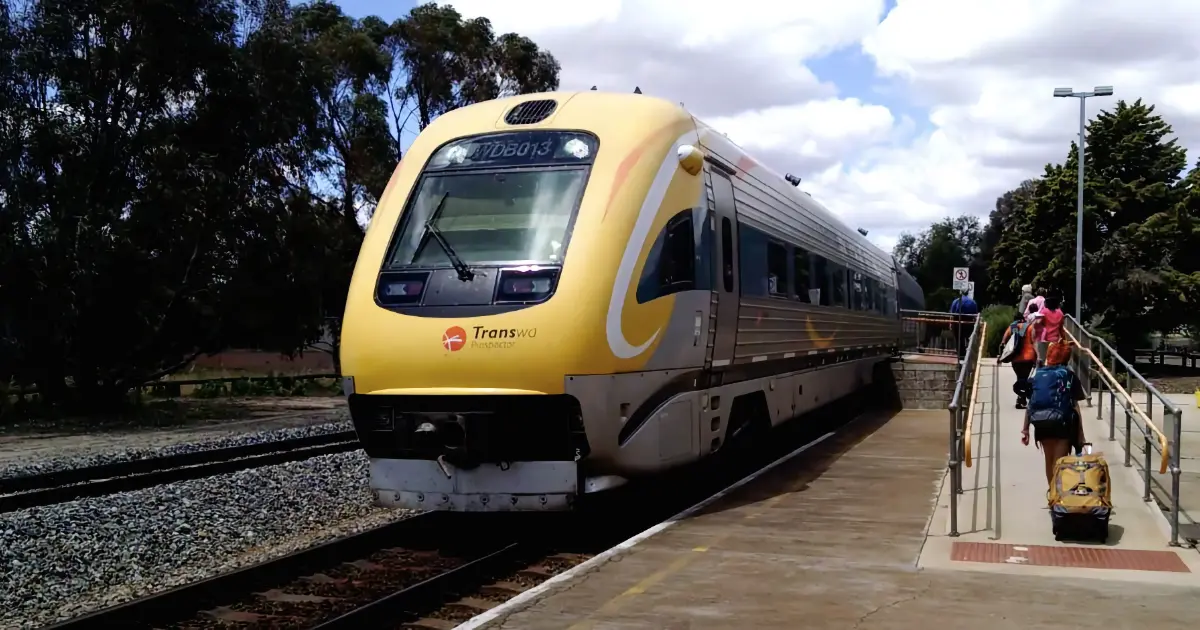
After our time on the farm was up, one of our hosts drove us to the town of Northam, about 45 minutes away. There, we caught the Prospector (that’s the name of the train) back to Perth and the welcoming arms of the Murray Hotel.
Fremantle
the day after we got back to Perth, we headed back out of the city via train to visit Fremantle, a port city about a half-hour train ride to the southwest of Perth that is home to the Fremantle Markets, the historic Fremantle Prison, Fishing Boat Harbour, a number of microbreweries, and the gateway to Rottnest Island (which we didn’t get a chance to visit).
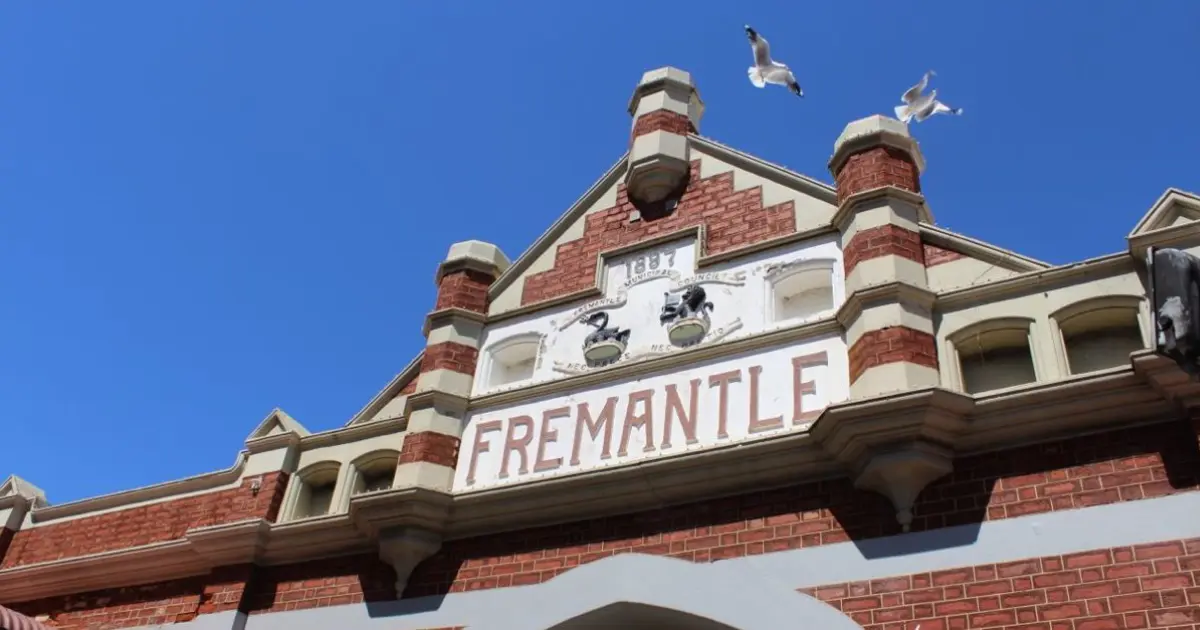
We visited the Fremantle Markets (only open on Friday, Saturday, and Sunday), which boast something like 150 shops that sell everything from meat & produce to Australian bush hats to boomerangs to trinkets and more.
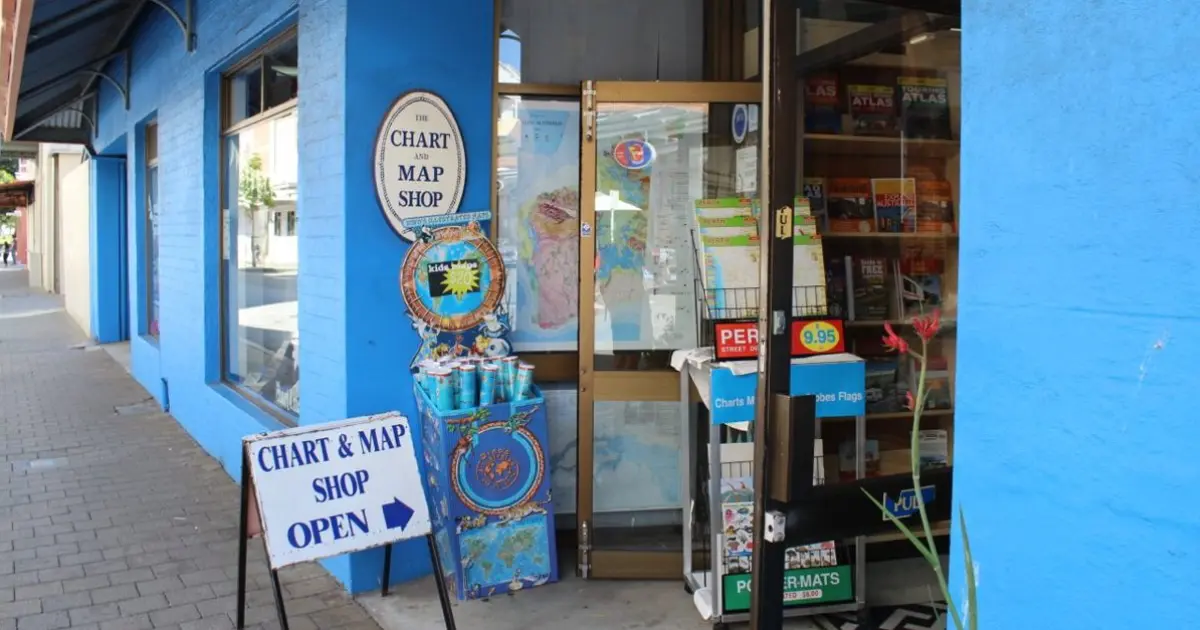
On our way to Little Creatures brewery for a bite to eat, we wandered by the really cool Chart and Map Shop, which had a good selection of adventure books, books about fishing, nautical guides, travel guides, and (as you’d expect) a pile of old maps on a table — some flat, some rolled up, all fascinating.
Last Days in Australia
We only had a few days left in Australia. We spent one of those days getting geared up for the next leg of the adventure — Bali.
We also spent a day at the Perth Zoo, which was, as far as zoos go, a pretty decent one. Its big draw was an orangutan enclosure called Jungle School that was designed to help get young orangutans ready for release into the Sumatran jungle.
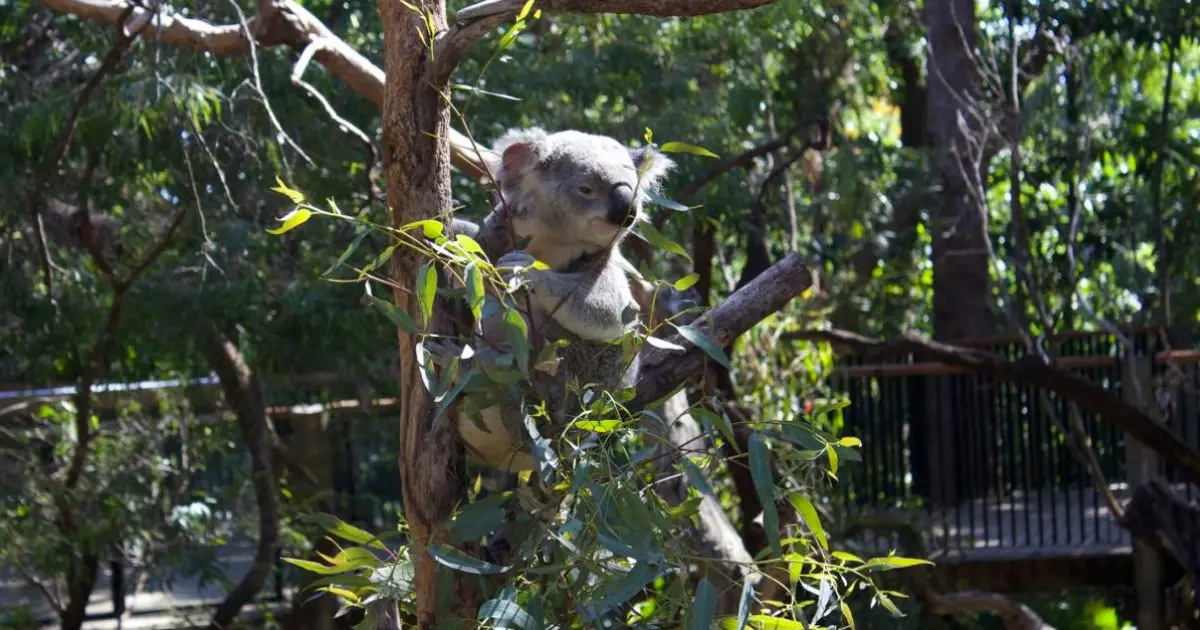
The Perth Zoo is also where we saw the only koala we saw on our trip — a four-year-old male named Slater who put on a little show as he chomped eucalyptus leaves.
We also, as our last meal in Australia, visited Toastface Grillah.
Toastface Grillah: The Best Grilled Cheese Sandwich
During one of our many navigation session around the city, I’d noticed a shop on Google Maps called Toastface Grillah. I could not pass up trying a place that carried the name Toastface Grillah, and today it was where we were going to eat our last meal in Australia.
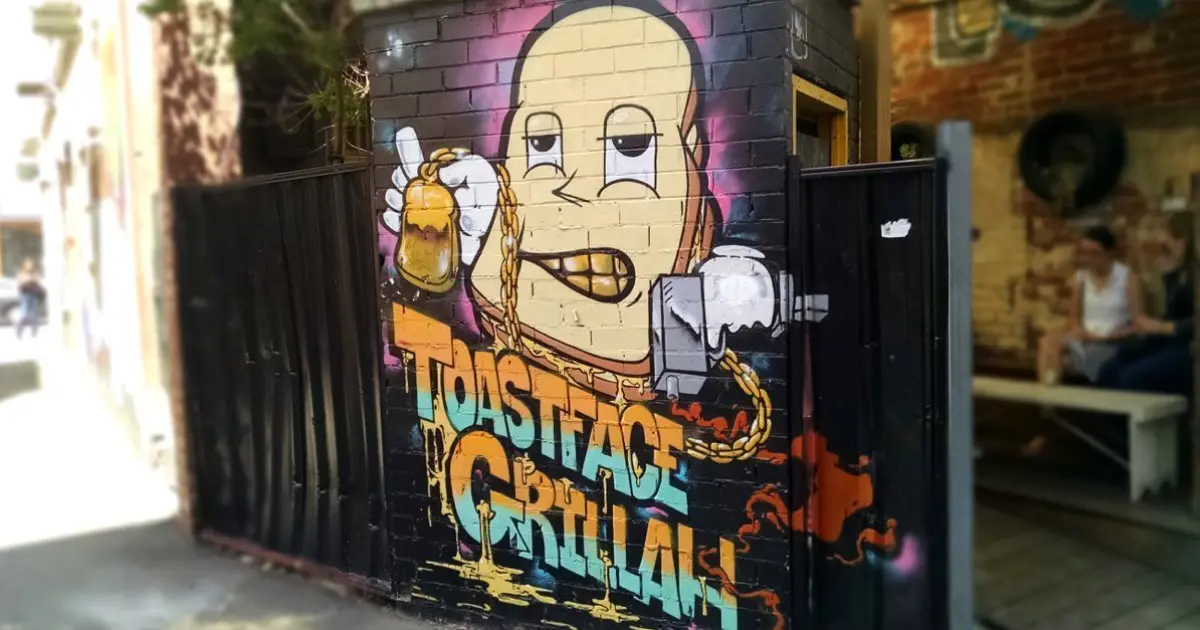
We’d managed our Australian cash well, so we were almost totally out. But Toastface was a cash only joint, so we had to walk back down the alley, find an ATM, and then return before we got ourselves some damn tasty grilled cheese sandwiches. I mean, seriously good.
Just to be clear on this, tucked away in an unassuming alley in Perth, Australia, you’ll find one of the best grilled cheese sandwich shops in the world.
And that was it. After 34 days of exploring Australia, we were a little sad about leaving. A month is a long time, and we’d acclimated to Australia pretty well. We’d started saying ”No worries“ and ”How ya going?“ automatically and without irony, even among just the four of us.
Despite what some Perthians had told us earlier, we could have stayed an extra week in Perth and still found plenty of things to do. For instance, we didn’t explore Cottesloe Beach, the Margaret River Chocolate Factory (let alone the entire Margaret River wine region), or even Rottnest Island.
But all that would have to wait for next time. For now, we were off to Bali.
Recounts the events of September 25–October 27, 2014. Days 35–68 of continuous travel.
► Continue the Journey ► Bali
Taking on the World is an Amazon Associate and earns from qualifying purchases.

Header Image: Description. Image from the author’s collection.